



BLOG
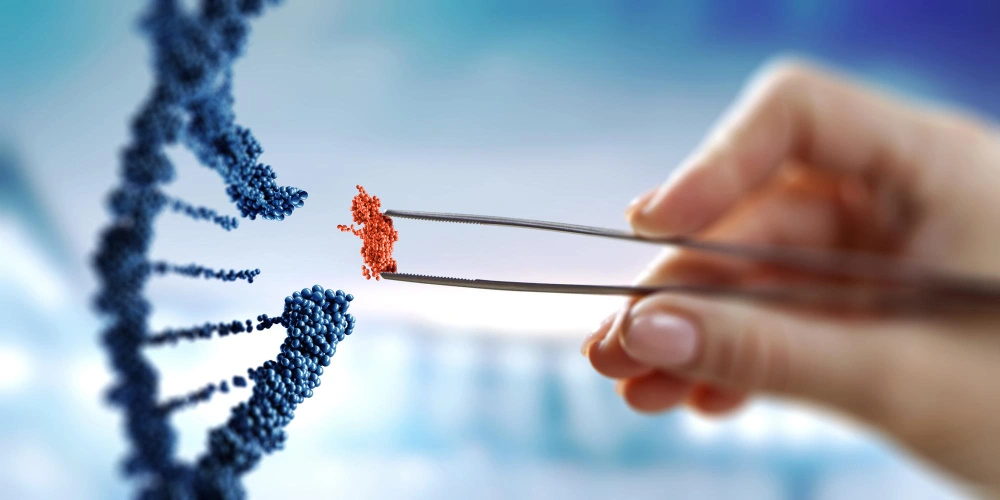
When we think about modern medicine, we often envision advanced laboratories, synthetic compounds, and high-tech equipment.
However, the most sophisticated pharmacy in existence isn't housed in a building—it’s tucked away within your own biology.
This is the heart of the "autologous" concept: the profound idea that the most effective materials for healing are already inside you. In the rapidly evolving field of regenerative medicine, stem cells sourced from your own body are shifting the paradigm from treating symptoms to truly restoring health.

The word "autologous" comes from the Greek auto (self) and logos (relation). In clinical terms, it refers to any medical procedure where the donor and the recipient are the same person.
This isn't just a technical detail; it is a biological revolution. By utilizing stem cells that share your exact genetic blueprint, we bypass one of the greatest hurdles in medicine: the immune system’s natural defense against "the other."
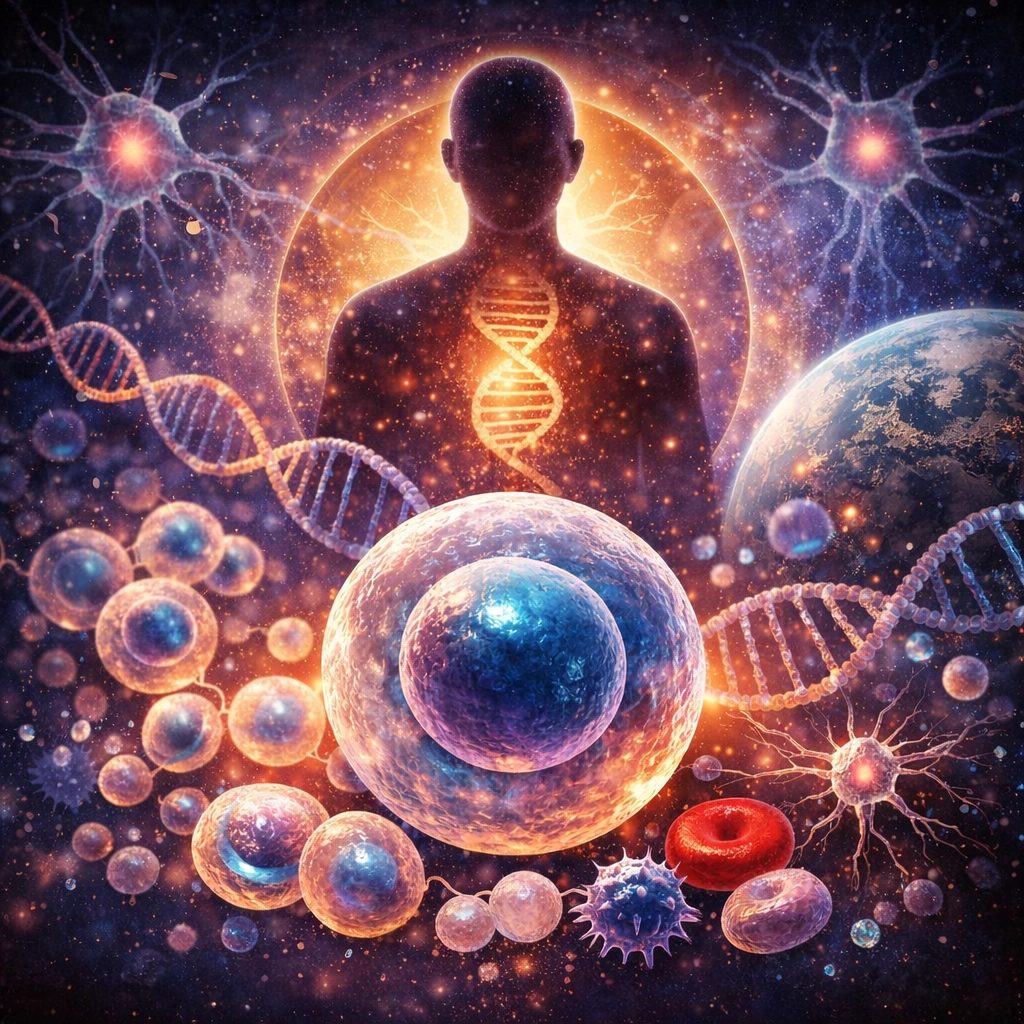
When foreign materials enter the body, the immune system often reacts with hostility. However, with autologous stem cells, there is no "foreign" signal.
Your body recognizes these cells as its own, allowing for a seamless integration and a significantly reduced risk of complications.
At their core, stem cells are the body’s raw materials—the primary units from which all other specialized cells are generated.
Under the right conditions, whether in the body or a controlled environment, these stem cells divide to form more cells called daughter cells.
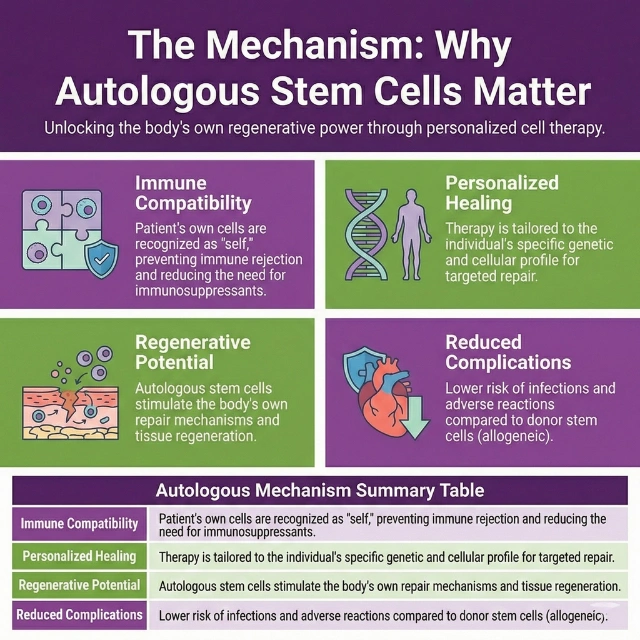
These daughter cells either become new stem cells (self-renewal) or become specialized cells (differentiation) with a more specific function, such as blood cells, brain cells, or bone cells.
In an autologous context, harvesting these stem cells from your own fat tissue, bone marrow, or blood means you are essentially "recycling" your body’s potential to repair itself.
To understand why the "essence of one’s own" is so valuable, we must compare it to allogeneic treatments, which use cells from a donor.
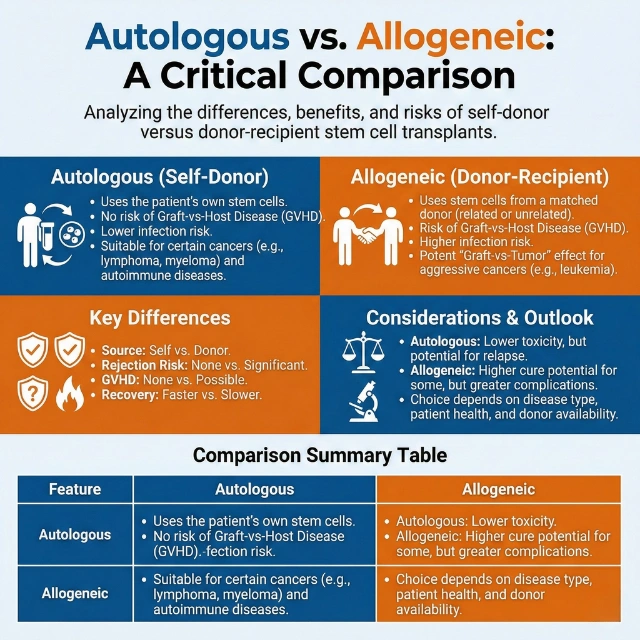
While donor cells have their uses, the autologous approach offers distinct advantages that are increasingly preferred in personalized medicine.
| Feature | Autologous (One's Own) | Allogeneic (Donor-Sourced) |
| Immune Rejection Risk | Extremely Low | Moderate to High |
| Graft-vs-Host Disease | No Risk | Potential Risk |
| Genetic Compatibility | 100% Match | Requires Complex Matching |
| Need for Immunosuppressants | None | Often Required |
| Safety Profile | Superior for most patients | Dependent on donor quality |
The efficacy of using your own stem cells is backed by a growing body of data. As of 2025 and 2026, research indicates that autologous applications are seeing record-breaking success rates across various medical fields.
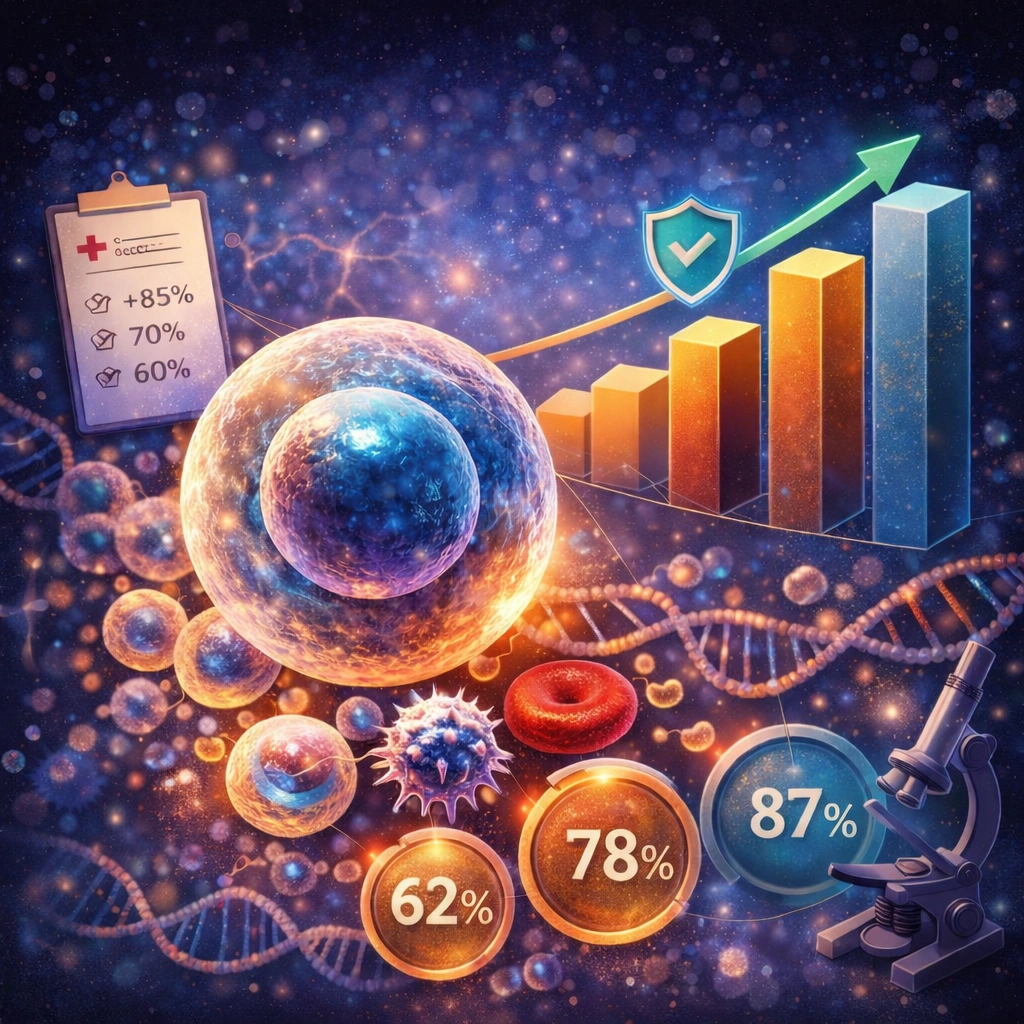
Patients often seek these treatments for their high safety profile and the biological logic they represent.
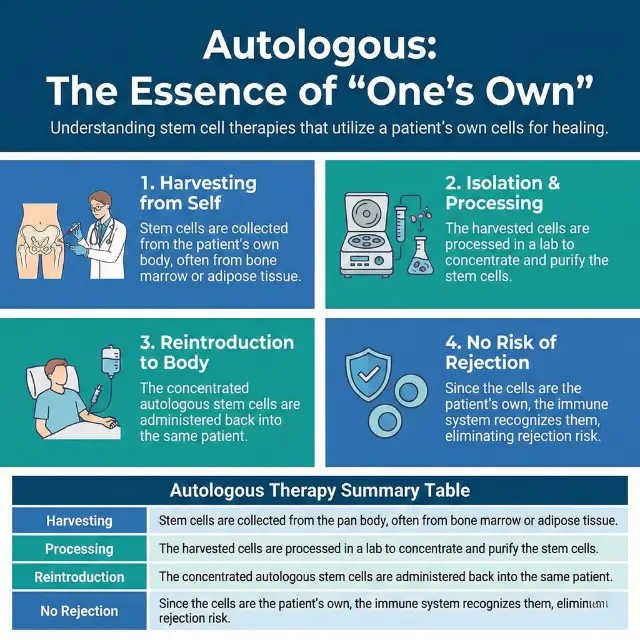
Understanding the process is key for anyone considering this path. It is a meticulous, step-by-step cycle designed to maximize the potency of your own biological assets.
The first step involves encouraging the body to produce and release a higher concentration of stem cells. For blood-based collection, this is called mobilization.
The actual "harvesting" is typically done via apheresis (for blood) or a minor procedure for bone marrow or adipose tissue.
Once collected, the material is sent to a specialized laboratory. Here, the stem cells are isolated and concentrated.
In some advanced protocols, they are "reprogrammed" or expanded to increase their number before being reintroduced.
In many cases, your stem cells are frozen (cryopreserved) at extremely low temperatures.
This "stops the clock" on the cells' age, allowing them to be used at a later date when your body might need them most.
The final step is the return of the cells. Whether through a targeted injection into a joint or an intravenous infusion, the stem cells are guided back to where they are needed.
Because they are autologous, they begin the work of "homing"—finding damaged tissue and initiating the repair process.
One of the most frequent questions involves the recovery timeline. Using one's own cells generally results in a much faster return to normalcy compared to traditional surgeries or donor-based transplants.
| Metric | Average Value (Autologous) |
| Neutrophil Recovery Time | ~13 Days |
| Platelet Recovery Time | ~42 Days |
| Average Hospitalization Stay | ~23 Days (for intensive cases) |
| Long-term Treatment Survival (5-year) | 72% to 79% (depending on condition) |
While the initial investment in autologous stem cells can be higher due to the personalized nature of the lab work, the long-term value is often superior.
By avoiding the costs of long-term immunosuppressant drugs and the high price of managing rejection complications, patients often find this to be the most "efficient" medical route.
Furthermore, the emotional peace of mind knowing you are using your own biology is a factor that cannot be quantified.
The market for autologous therapies is expanding rapidly. Valued at approximately USD 6.73 billion in 2025, it is projected to skyrocket to over USD 40 billion by 2034.
This growth is a testament to the increasing trust that both the medical community and patients place in the power of stem cells.
Unlike other forms of therapy that might raise ethical concerns, autologous stem cells are widely regarded as the "cleanest" form of regenerative medicine.
Since they are derived from an adult patient (not embryos), they avoid traditional controversies.
It is a natural process facilitated by high-end science—an ethical bridge between nature and technology.
"Autologous" is more than just a medical term; it is an invitation to look inward for the solutions to our most complex health challenges.
By prioritizing the use of your own stem cells, you are not just choosing a treatment—you are choosing a philosophy of self-reliance and biological harmony.
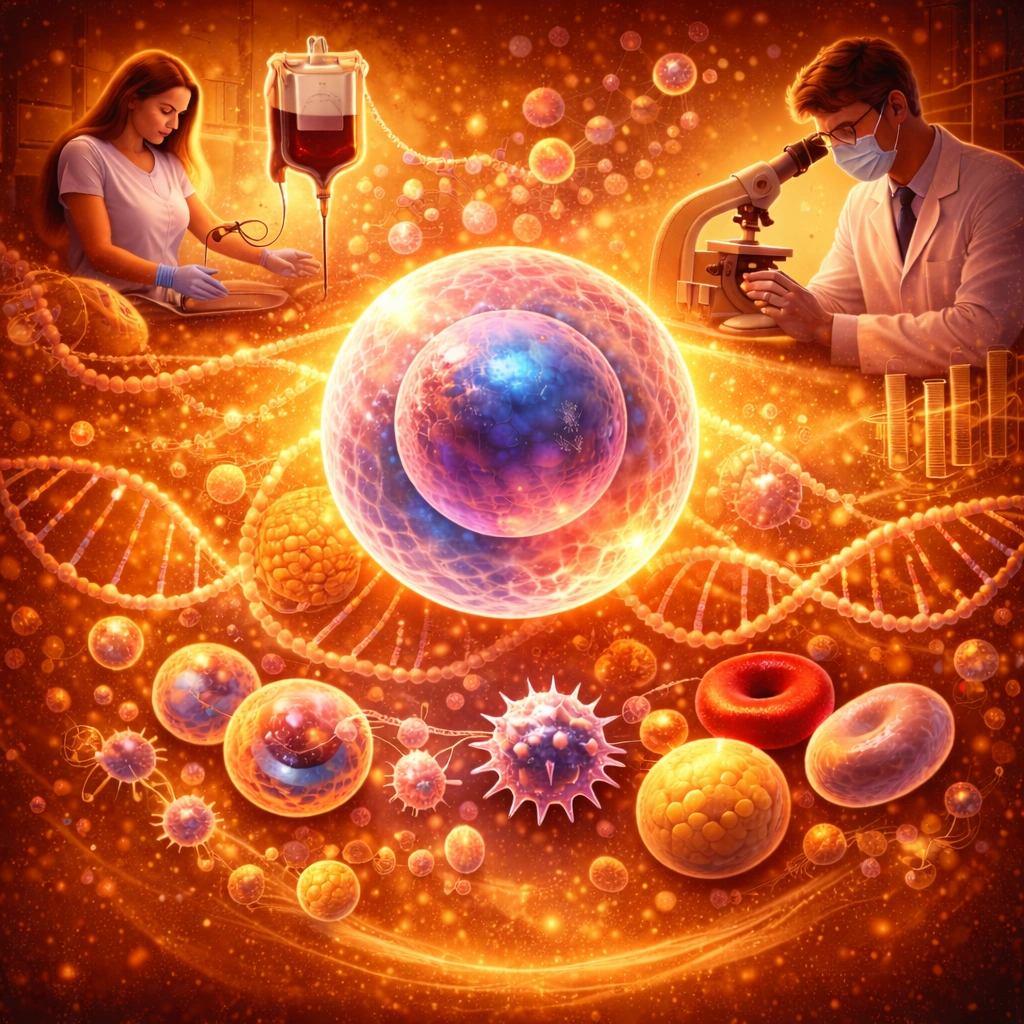
As we move further into 2026, the data remains clear: the future of medicine is personal. It is tailored to your DNA, fueled by your own cells, and designed to restore the essence of who you are. T
he most powerful version of "you" is already waiting within your cells.