




BLOG

Receiving a diagnosis of Multiple Sclerosis (MS) for a child can feel like an overwhelming mountain to climb.
While historically viewed as an adult-onset condition, Pediatric Multiple Sclerosis (POMS) is increasingly recognized by medical professionals across the globe.
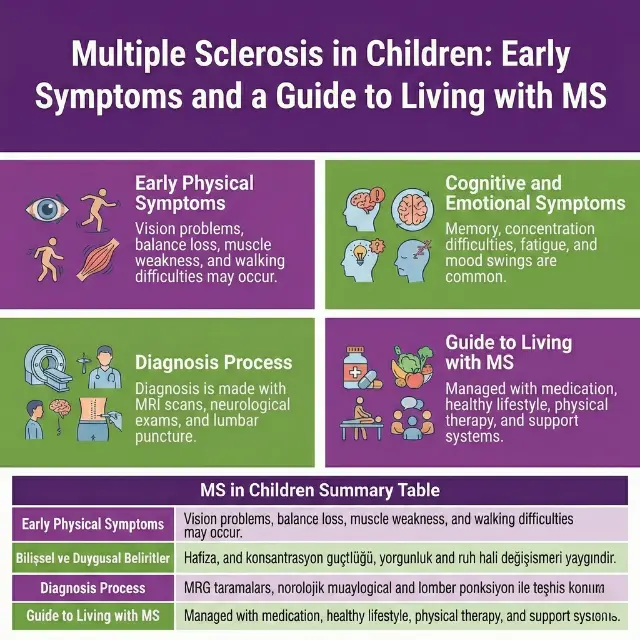
Approximately 3% to 5% of all MS diagnoses occur in individuals under the age of 18.
Navigating this journey requires a blend of medical expertise, emotional resilience, and an understanding of the latest therapeutic breakthroughs—most notably the rising prominence of stem cell therapy.
This guide aims to provide clarity for parents, caregivers, and educators on how to identify, manage, and treat MS in the younger population.

The symptoms of MS in children can be transient and vague, often mimicking other childhood illnesses.
However, certain "red flags" should prompt an immediate consultation with a pediatric neurologist.
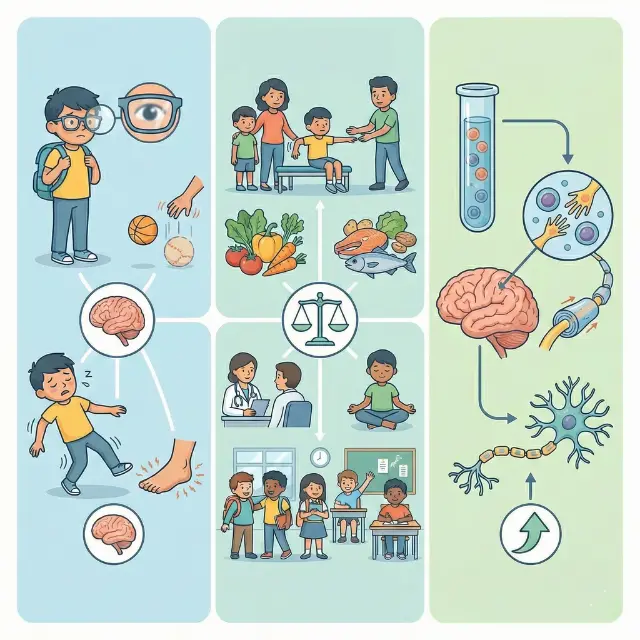
One of the most common presenting symptoms in children is sudden blurred vision, pain when moving the eyes, or a loss of color perception.
This is often caused by inflammation of the optic nerve.
Children may describe "pins and needles," numbness, or a strange squeezing sensation around the torso, often referred to as the "MS hug."
These sensory disruptions occur when the brain struggles to process signals from the limbs.
If a child suddenly becomes clumsy, experiences frequent falls, or has difficulty with fine motor tasks like buttoning a shirt or writing, it may indicate lesions in the cerebellum or spinal cord.
Unlike typical tiredness after play, MS fatigue is a profound exhaustion that interferes with school performance.
"Brain fog"—difficulty concentrating or remembering instructions—is also a significant factor for students.
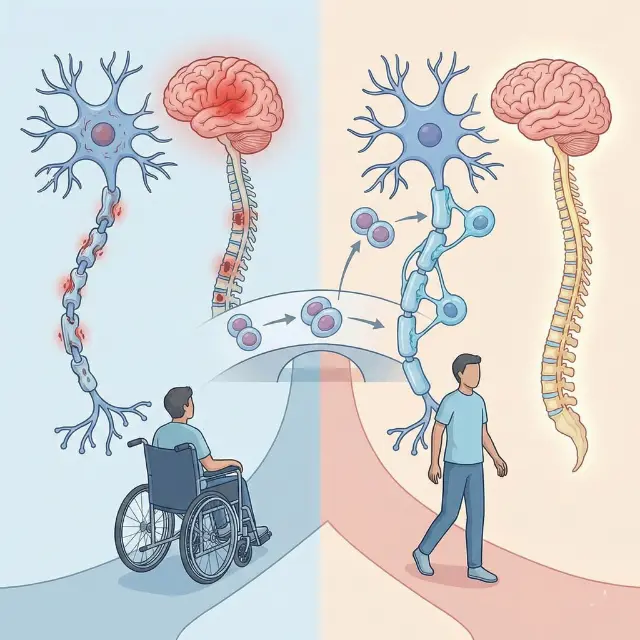
To better understand the landscape of this condition, it is helpful to look at how it manifests differently across age groups.
| Feature | Pediatric MS (Under 18) | Adult MS (Over 18) |
| Relapse Frequency | Higher (More frequent attacks) | Lower/Moderate |
| Recovery Rate | Faster and more complete initially | Slower and often incomplete |
| Gender Ratio | 1:1 (Pre-puberty); 3:1 (Post-puberty, female focus) | 3:1 (Female predominance) |
| Primary Disease Type | Almost exclusively Relapsing-Remitting | Can be Progressive or Relapsing |
| Brain Plasticity | High (Better compensation) | Lower (Cumulative damage) |
In recent years, the conversation surrounding MS treatment has shifted from mere symptom management to "immune system resetting."
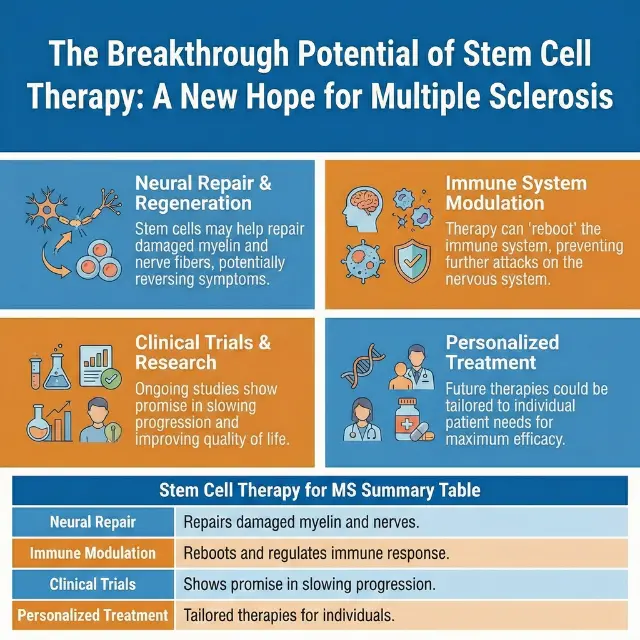
This is where stem cell therapy has emerged as a revolutionary option.
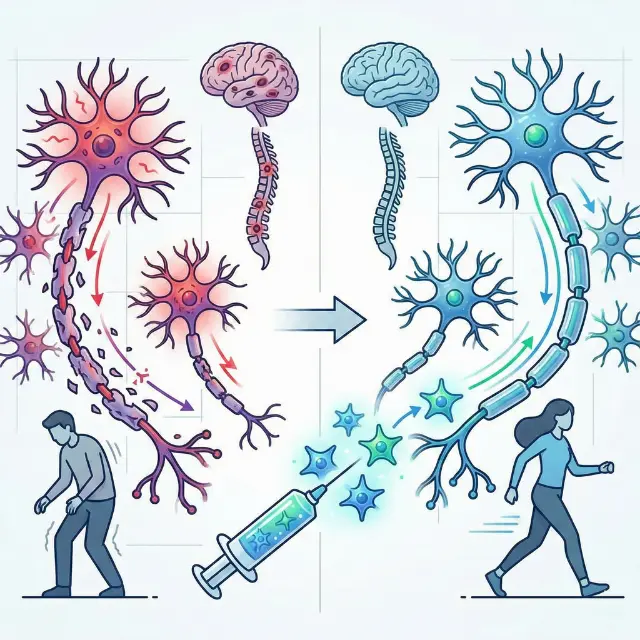
Stem cell therapy, specifically Autologous Hematopoietic Stem Cell Transplantation (aHSCT), involves harvesting the patient’s own healthy stem cells, using a specialized protocol to "clear" the malfunctioning immune system, and then reintroducing the stem cells to rebuild a new, healthy immune response.
Because children have a high degree of "neuroplasticity," their bodies are often more receptive to the regenerative potential of stem cell therapy.
Many clinical trials have shown that:
For families considering stem cell therapy, it is vital to consult with centers specializing in neuro-immunology to weigh the benefits against the intensive nature of the procedure.
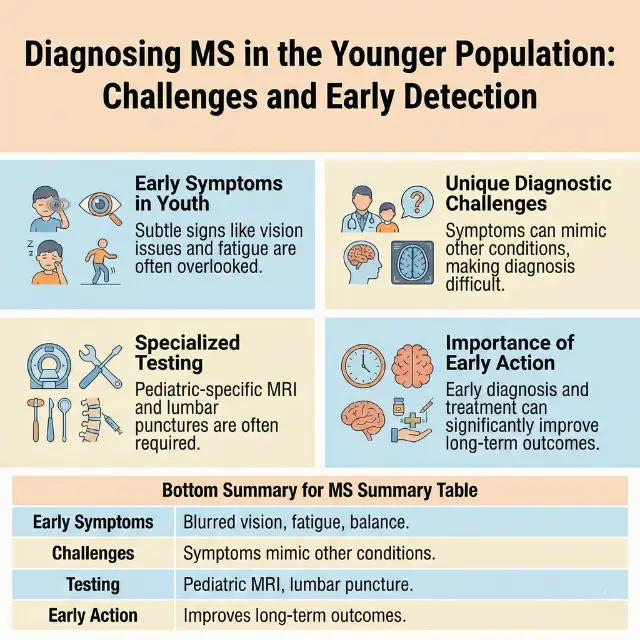
Diagnosis is a multi-step process designed to rule out other conditions like ADEM (Acute Disseminated Encephalomyelitis) or nutritional deficiencies.
Managing MS isn't just about medicine; it's about creating an environment where a child can thrive.
Children with MS may require an "Individualized Education Program" (IEP) or similar school support. This ensures they have access to:
There is a strong global link between low Vitamin D levels and MS activity.
Ensuring your child has adequate Vitamin D through sunlight and supplementation is a cornerstone of modern management.
Furthermore, an anti-inflammatory diet rich in Omega-3 fatty acids (found in fish and flaxseed) supports overall brain health.
Maintaining muscle strength and flexibility is essential.
Regular physical therapy can help children overcome balance issues, while occupational therapy focuses on adapting daily tasks to ensure independence.
Understanding the numbers can help families feel less alone in their struggle.
| Statistic | Global Estimate |
| Prevalence of POMS | 30,000 - 50,000 children worldwide |
| Median Age of Onset | 12 to 14 years old |
| Success of Modern DMTs | 60% reduction in relapse rates |
| Stem Cell Therapy Success Rate | 70% to 80% long-term remission in eligible cases |
The future for children diagnosed with MS is brighter today than it was even a decade ago.
With the advent of highly effective medications and the growing accessibility of stem cell therapy, the focus has shifted from "coping with disability" to "preventing it entirely."
Stem cell therapy continues to be the subject of rigorous international research, offering a beacon of hope for those with aggressive forms of the disease.
By combining early diagnosis, specialized pediatric care, and cutting-edge treatments like stem cell therapy, we can ensure that MS is just a chapter in a child's life, not the whole story.
If you are a parent or guardian, remember that you are your child's best advocate.
Stay informed, seek second opinions when necessary, and remain open to the evolving world of neuro-regenerative medicine.