



Stem Cell Therapy and Autism: What Families Need to Know


For families living with Autism Spectrum Disorder (ASD), the journey is often paved with constant learning, adaptation, and a relentless search for the most effective interventions.
While traditional methods such as Applied Behavior Analysis (ABA) and occupational therapy have long been the cornerstones of care, the medical landscape is evolving.
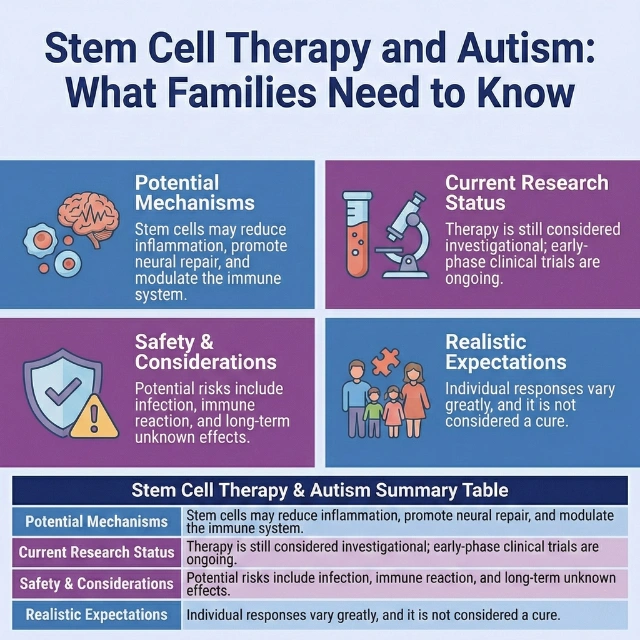
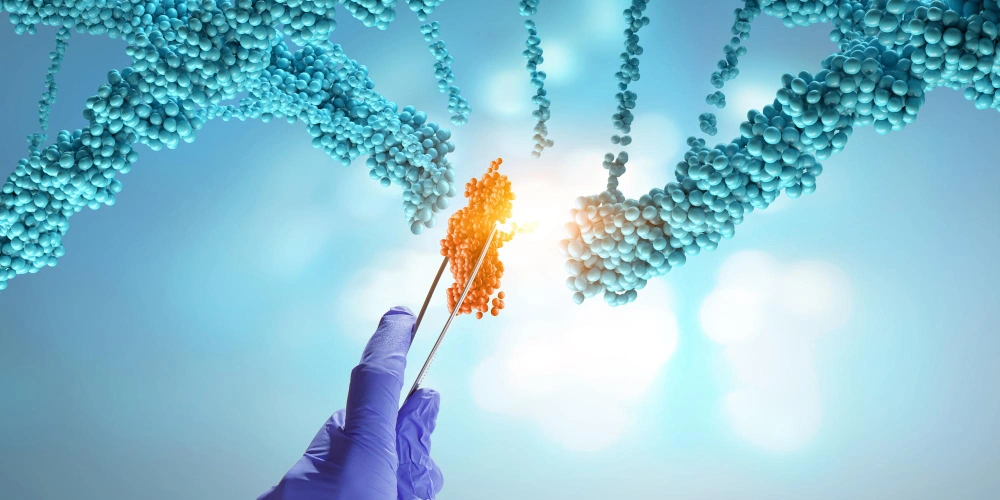
Today, more families are exploring stem cell therapy as a biological intervention designed to address the underlying physiological factors of the condition rather than just managing outward behaviors.
As regenerative medicine advances, stem cell therapy is moving from the realm of experimental curiosity into a more structured clinical option.
This article provides a comprehensive overview of how stem cell therapy works, what the current clinical data suggests regarding success rates, and the practical details families need to consider.
Autism is not just a behavioral diagnosis; it is increasingly understood as a condition with deep biological roots, often involving chronic neuroinflammation and immune system irregularities.
Many children on the spectrum exhibit "hypoperfusion"—reduced blood flow to certain areas of the brain—and high levels of pro-inflammatory cytokines.
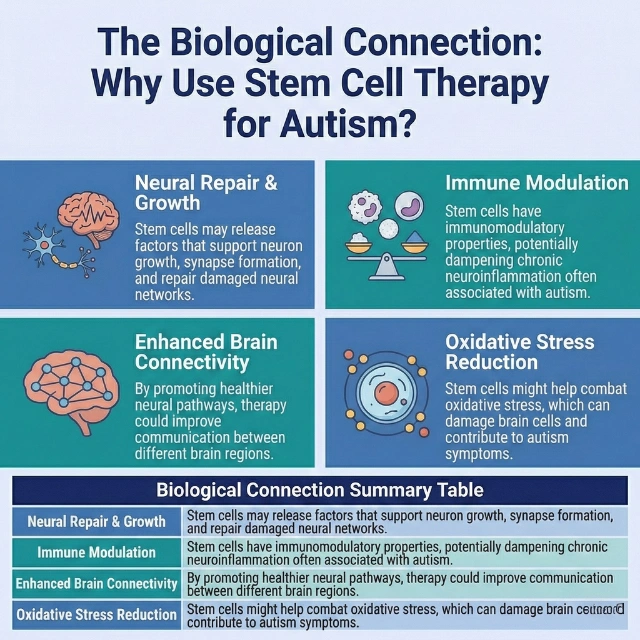
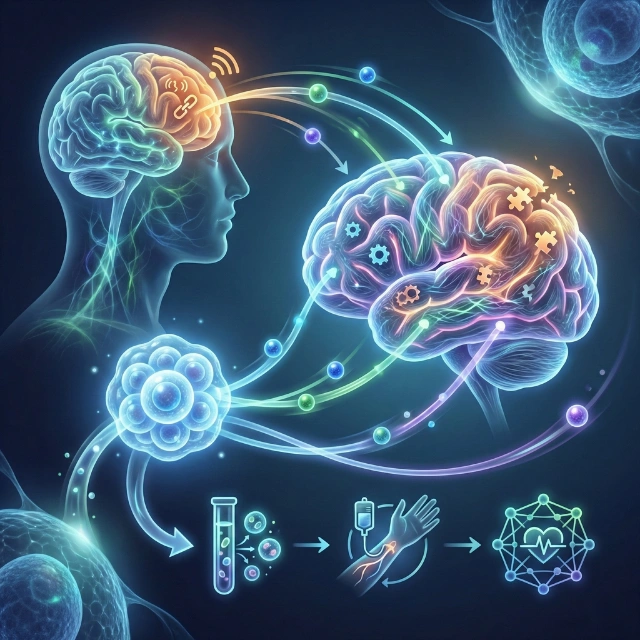
This is where stem cell therapy enters the picture. The primary goal is not to "cure" autism, but to modulate the body’s internal environment.
By utilizing specific cells, particularly Mesenchymal Stem Cells (MSCs), stem cell therapy aims to:
When families research stem cell therapy, the most critical question is: Does it work?
While individual results vary, clinical registries and parent-reported outcomes provide a clearer picture of what can be expected.
Current findings suggest that the majority of children receive at least some level of benefit, particularly in the areas of social awareness and communication.
The following table summarizes the observed success rates in specific symptom categories based on recent international clinical data and patient registries.
| Symptom Category | Percentage of Families Reporting Improvement | Typical Window for First Signs |
| Eye Contact & Social Interest | 80% – 85% | 1 – 2 Months |
| Command Following & Understanding | 75% – 80% | 2 – 4 Months |
| Speech Initiation & Vocabulary | 60% – 65% | 4 – 10 Months |
| Focus & Attention Span | 70% – 75% | 2 – 5 Months |
| Reduction in Sensory Overload | 55% – 60% | 3 – 6 Months |
| Sleep Quality & Regulation | 65% – 70% | 2 – 4 Weeks |
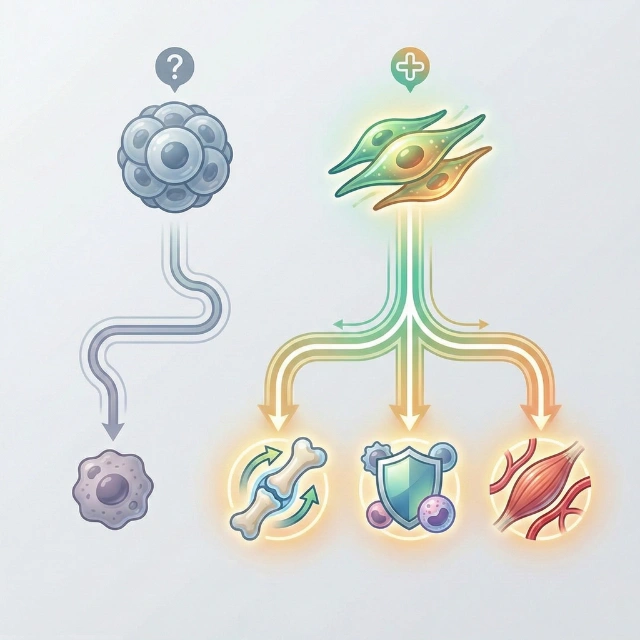
In the field of stem cell therapy, not all cells are the same.
For autism, the focus has shifted heavily toward Mesenchymal Stem Cells (MSCs) derived from umbilical cord tissue, specifically from a substance called Wharton’s Jelly.
The "paracrine effect" of MSCs is the secret to their success in stem cell therapy. They act as a biological pharmacy, sensing where the body is "hurting" and secreting the exact proteins and growth factors needed to stimulate repair.
For most families, the actual procedure for stem cell therapy is surprisingly simple and non-invasive.
Most protocols involve a standard intravenous (IV) infusion, similar to a regular saline drip, which takes about 45 to 60 minutes.
Safety is the top priority for any parent. Clinical studies focusing on stem cell therapy for ASD have consistently shown that the use of MSCs is safe and well-tolerated.
Because the cells are processed in high-standard laboratories and screened for pathogens, the risk of serious adverse events is extremely low.
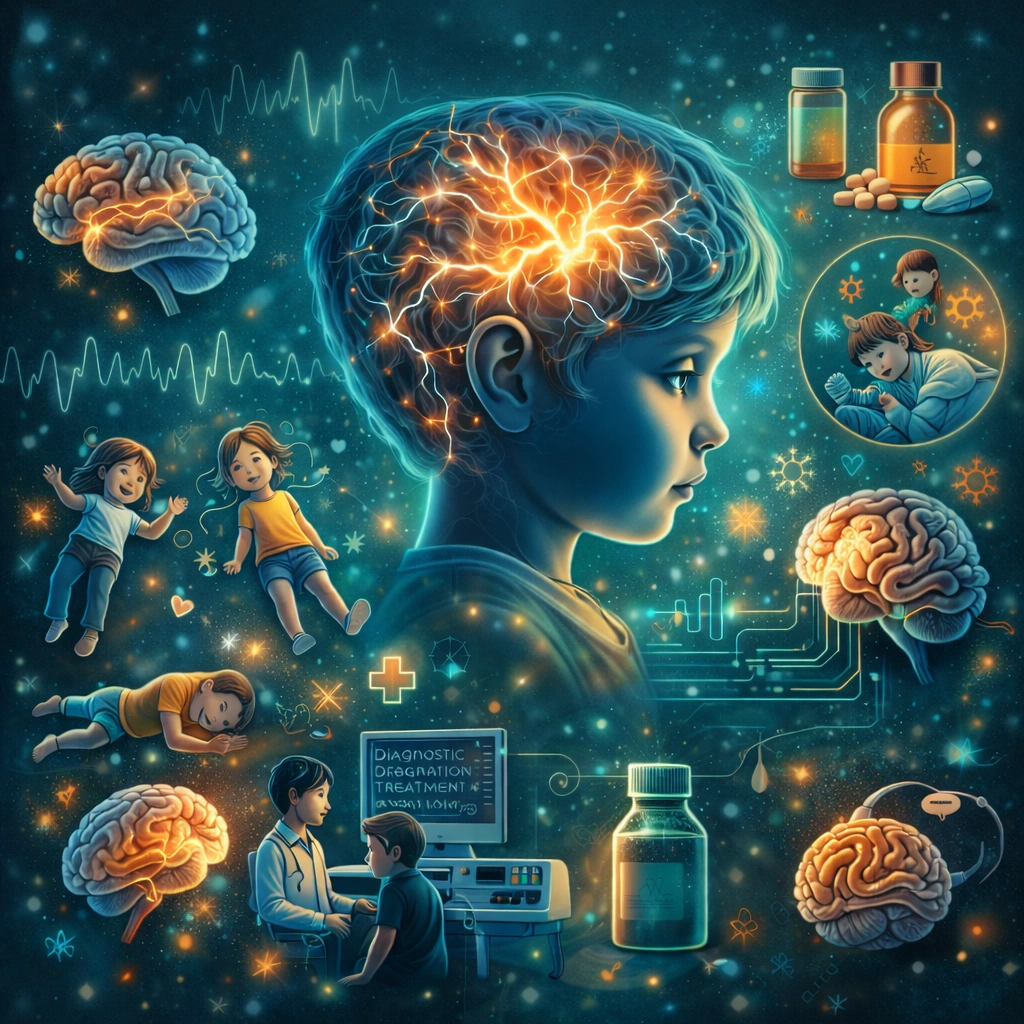
Common minor side effects include:
It is important for families to choose a clinic that utilizes certified, high-count cell doses and maintains strict laboratory standards to ensure the highest safety profile for the stem cell therapy.
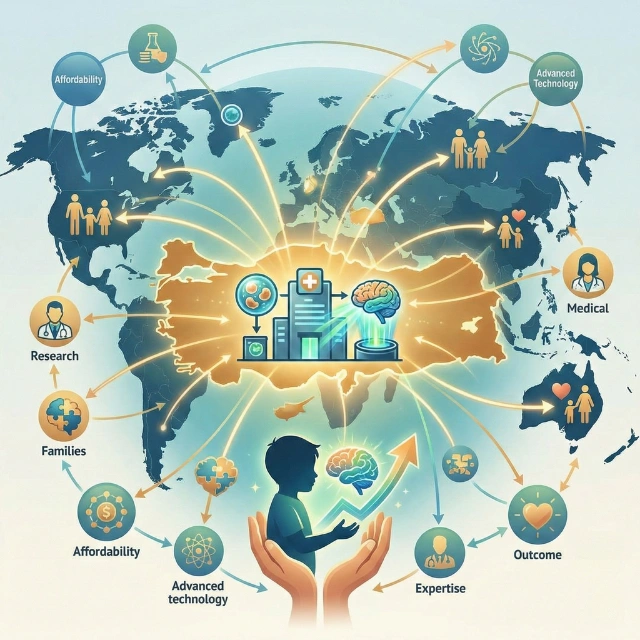
Turkey has quickly become one of the most preferred destinations for international families thanks to:
Families are not just looking for therapy – they are looking for hope and trust. Turkey provides both.
The decision to pursue stem cell therapy is a significant step, but for many families, it marks the beginning of a new chapter of progress.
By addressing the physiological barriers of autism, we give children the best possible chance to reach their full potential.
As you look into the options for stem cell therapy, prioritize transparency, clinical experience, and cell quality.
Every child’s path is different, but the goal remains the same: a brighter, more independent future.

.jpg)