



Do Stem Cells Really Help with Autism


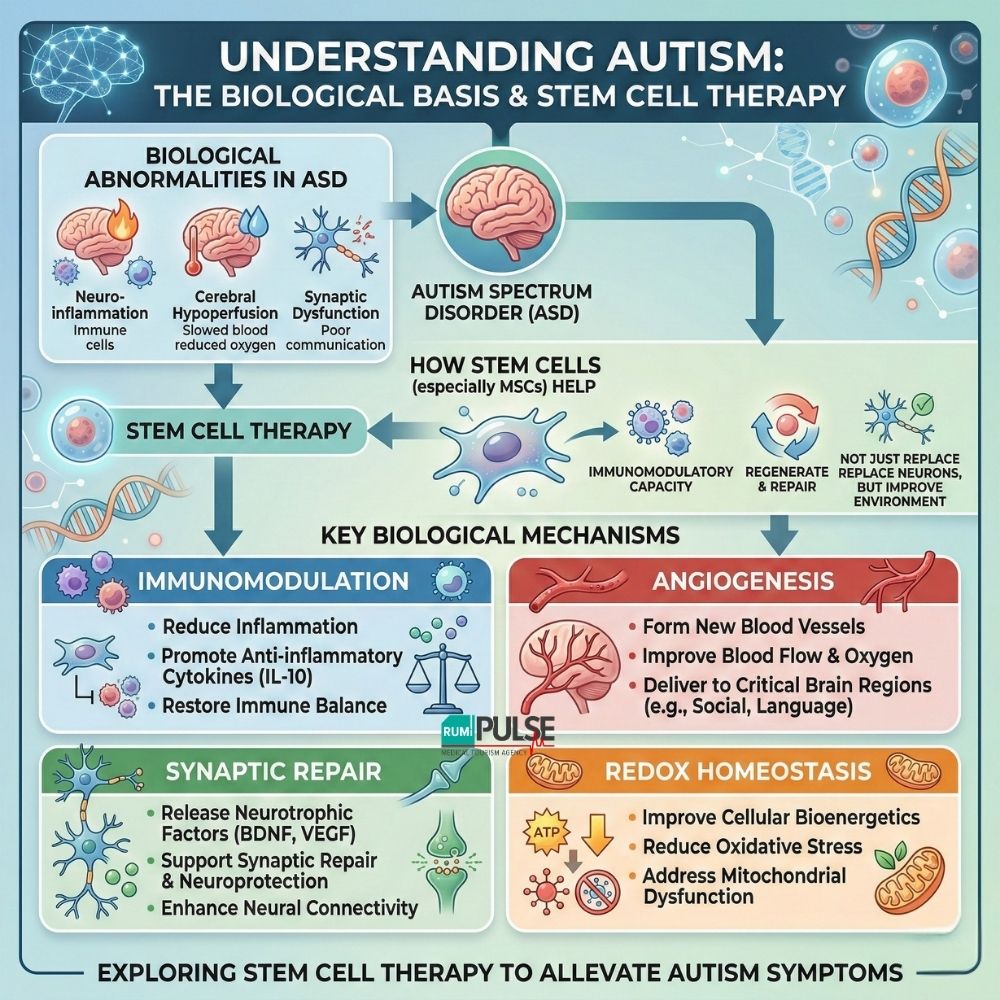
Autism Spectrum Disorder (ASD) is a complex neurodevelopmental condition that affects communication, social interaction, and behavior. Despite extensive research, the exact causes of autism remain unclear. However, there is a growing body of evidence suggesting that both genetic and environmental factors contribute significantly. Neuroinflammation, cerebral hypoperfusion (reduced blood flow to the brain), and synaptic dysfunction are some of the biological abnormalities observed in individuals with autism. These factors provide the rationale for exploring stem cell therapy as a potential treatment. For more details, you can visit our Autism Therapy page.
Stem cells have the remarkable ability to differentiate into a variety of cell types, allowing them to repair or replace damaged tissue. This regenerative capacity has made stem cells an attractive option for treating various conditions, including neurodevelopmental disorders like autism. The idea behind using stem cells in autism treatment is not necessarily to replace neurons directly, but to modulate the brain's biological environment and enhance neural function.
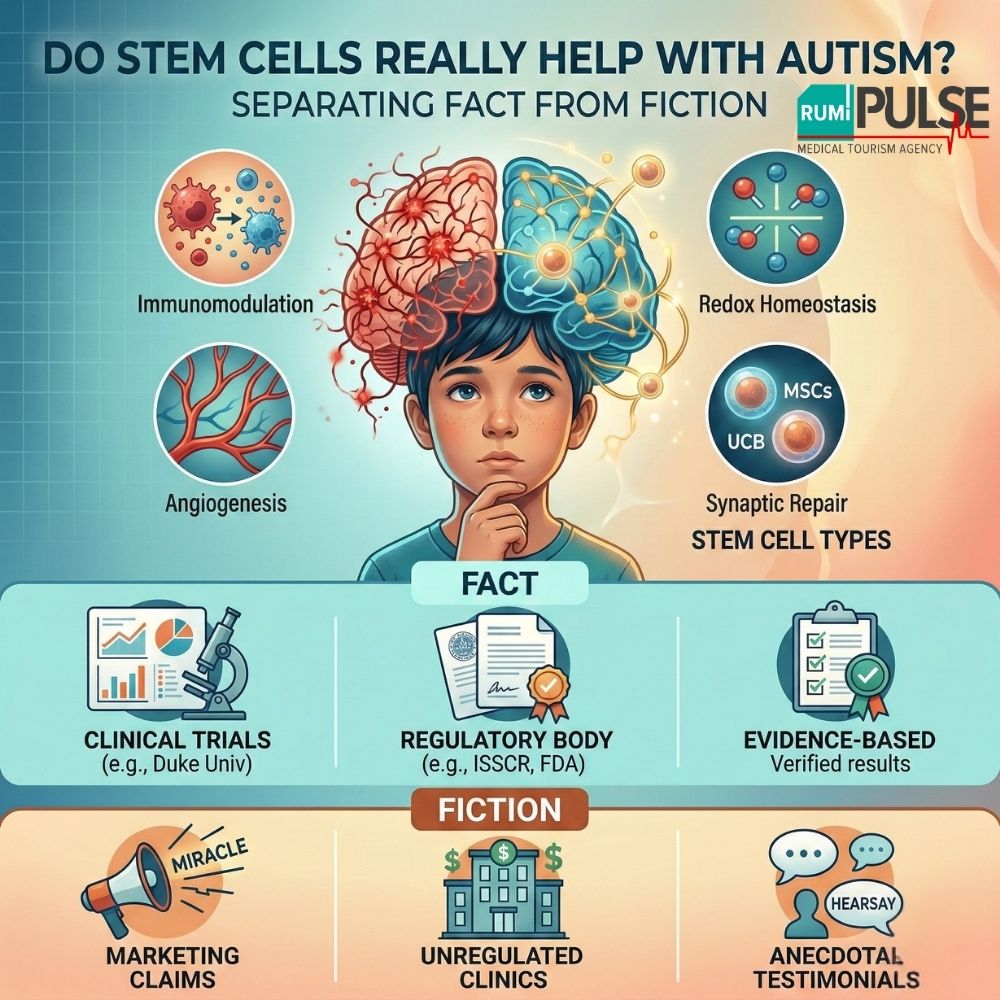
Particularly, Mesenchymal Stem Cells (MSCs) have demonstrated immunomodulatory properties, meaning they can help regulate the immune system. In individuals with autism, persistent immune system abnormalities, such as chronic neuroinflammation, disrupt normal brain function. By resetting the immune environment and reducing inflammation, MSCs may improve brain connectivity and alleviate some symptoms associated with autism.
The potential therapeutic effects of stem cells in autism stem from several key biological mechanisms:
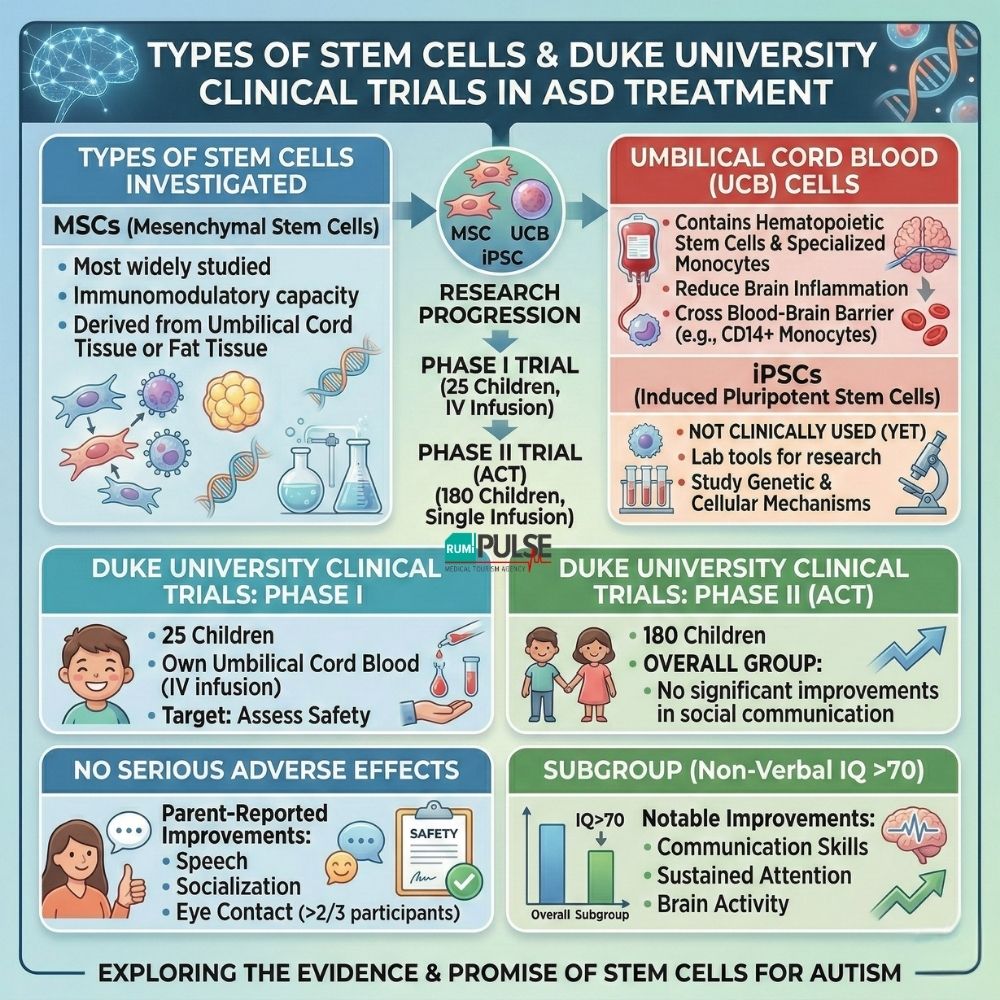
Several types of stem cells have been investigated for their potential to treat autism, each with its own advantages and limitations:
For further information, please check out our Autism Therapy page or reach out through our Contact page.
The Phase I trial at Duke University involved 25 children who received an intravenous infusion of their own umbilical cord blood. The primary goal was to assess safety, and it successfully demonstrated no serious adverse effects. Parent-reported assessments suggested improvements in speech, socialization, and eye contact in more than two-thirds of the participants.
The Phase II trial, known as the Autism Cord Blood Trial (ACT), involved 180 children. For the overall group, a single infusion of cord blood did not show significant improvements in social communication. However, a subgroup of children with a non-verbal IQ above 70 showed notable improvements in communication skills, sustained attention, and brain activity, suggesting that stem cell therapy may be more effective for children with higher cognitive function.
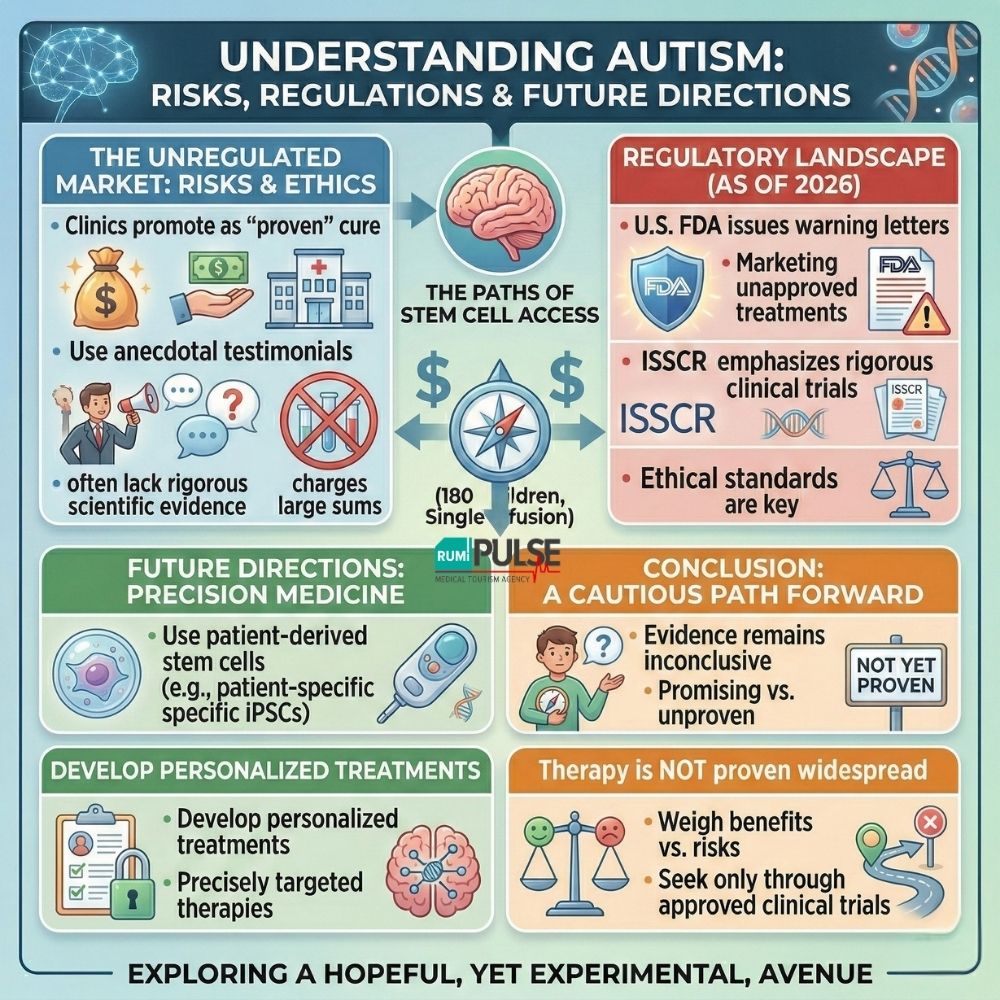
While stem cell therapy for autism holds promise, the gap between clinical research and clinical application has been filled by numerous for-profit clinics worldwide. These clinics often promote stem cell therapy as a "proven" cure, using anecdotal testimonials to attract families. However, these treatments are frequently not backed by rigorous scientific evidence. Families should exercise caution when considering unregulated clinics that charge large sums for experimental treatments.
As of 2026, the regulatory environment surrounding stem cell therapy for autism continues to evolve. In the U.S., the FDA has issued warning letters to clinics marketing unapproved stem cell treatments for autism. The International Society for Stem Cell Research (ISSCR) continues to emphasize the importance of rigorous clinical trials and ethical standards for stem cell therapies. Future research will likely focus on precision medicine, using patient-derived stem cells to develop personalized treatments.
The question of whether stem cells "really help" with autism is complex and not easily answered. While there is significant biological rationale for using stem cell therapy in autism, the evidence remains inconclusive. Clinical trials have shown promising results for certain subgroups, but the therapy is not yet a proven, widespread treatment.
For families considering stem cell therapy, it is crucial to weigh the potential benefits against the risks and seek treatment only through approved clinical trials. As research progresses, stem cell therapy may play an increasingly important role in autism treatment, but for now, it remains a hopeful, yet experimental, avenue for intervention.
If you are interested in learning more about autism therapy, visit our Autism Therapy page for more details. If you have any questions or would like to speak with us, please don’t hesitate to contact us today.


.jpg)