



Treatment Options and Recent Developments for Children Living with Epilepsy

The landscape of pediatric neurology is shifting rapidly. For families navigating the complexities of childhood seizures, the goal has always been clear: seizure freedom and a high quality of life.
However, for the nearly 30% of children who live with drug-resistant epilepsy, traditional paths often feel like a dead end.
In the current era of medical advancement, the conversation is no longer just about "managing" symptoms; it is about precision medicine and the groundbreaking potential of stem cell therapy.
This article explores the current treatment hierarchy and the most recent scientific breakthroughs that are offering new hope to children worldwide.

Epilepsy in children is a condition in which the child experiences recurrent, unprovoked seizures due to abnormal electrical activity in the brain. Seizures can vary in severity, ranging from brief staring episodes to violent convulsions.
The frequency and intensity of seizures can significantly affect a child's daily life, education, and social interactions.
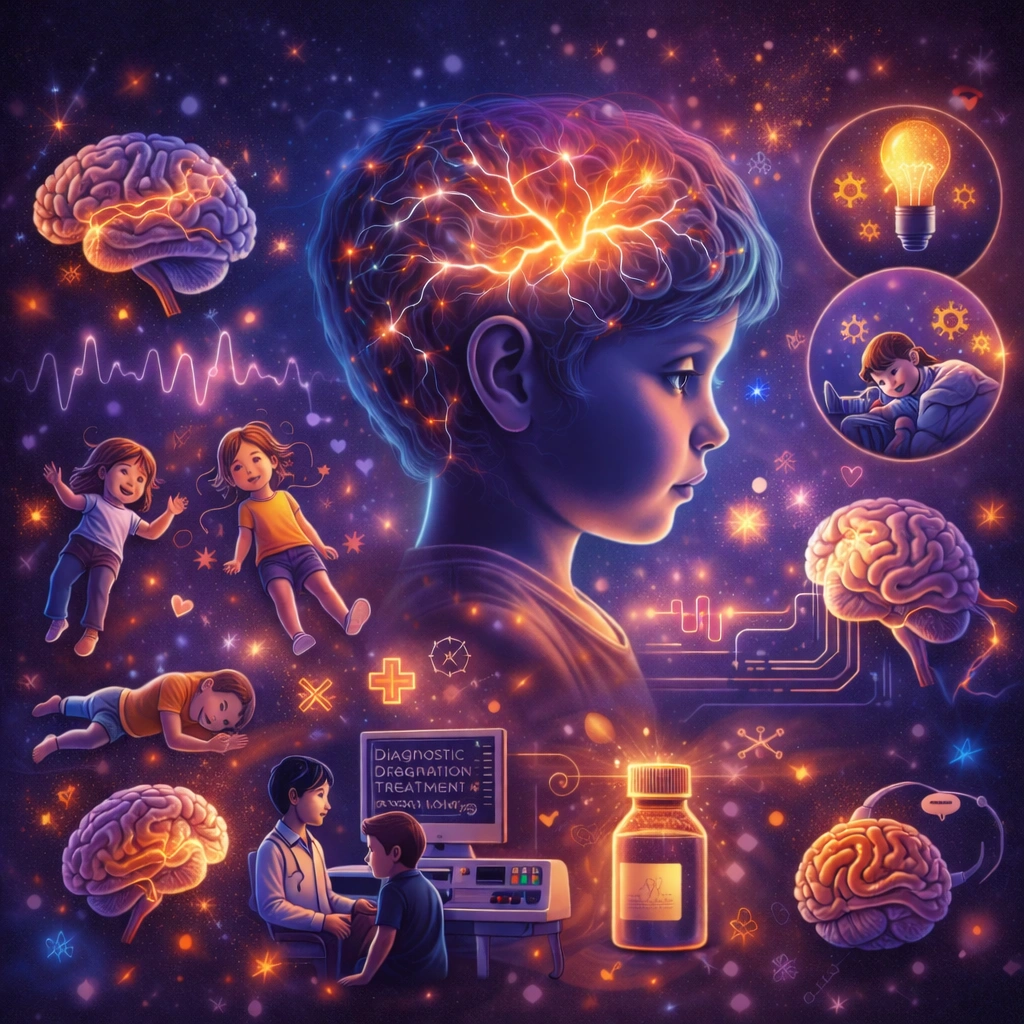
Common Types of Seizures in Children:
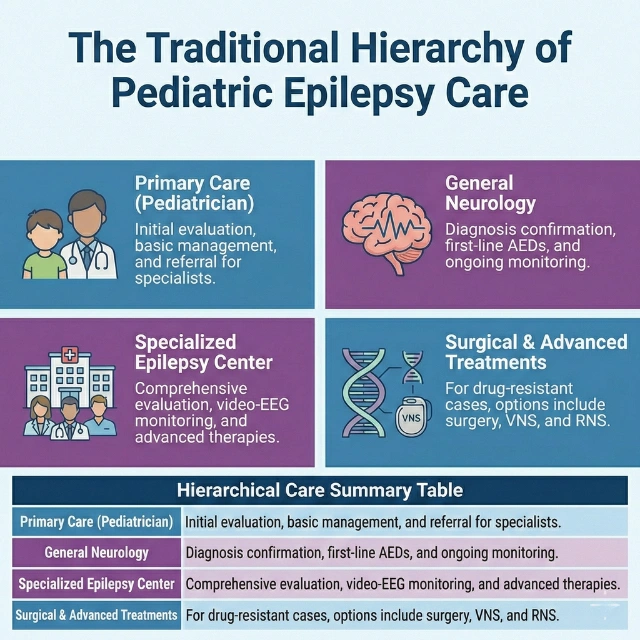
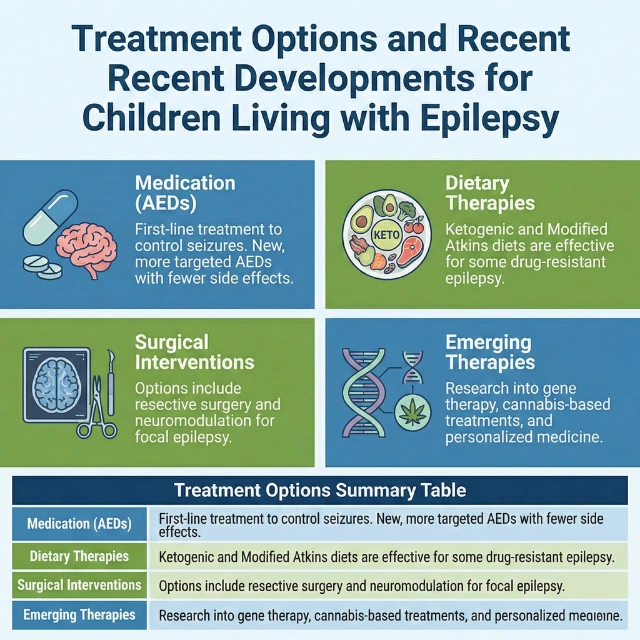
Most journeys begin with Anti-Seizure Medications (ASMs). While these remain the frontline defense, their efficacy varies significantly based on the child’s specific condition and genetic profile.
Modern pharmacology has introduced a new generation of ASMs with fewer cognitive side effects.
However, statistics show a diminishing return with each new medication tried. If the first two medications fail to control seizures, the likelihood of a third drug succeeding is statistically low.
This is where the term "refractory epilepsy" or "drug-resistant epilepsy" becomes a reality for many.
When medications fail, specialized diets like the Ketogenic Diet or surgical interventions (such as Vagus Nerve Stimulation or focal resection) are considered.
While effective for some, they can be invasive or difficult to maintain long-term.
This has led researchers to look toward more biological, regenerative solutions.
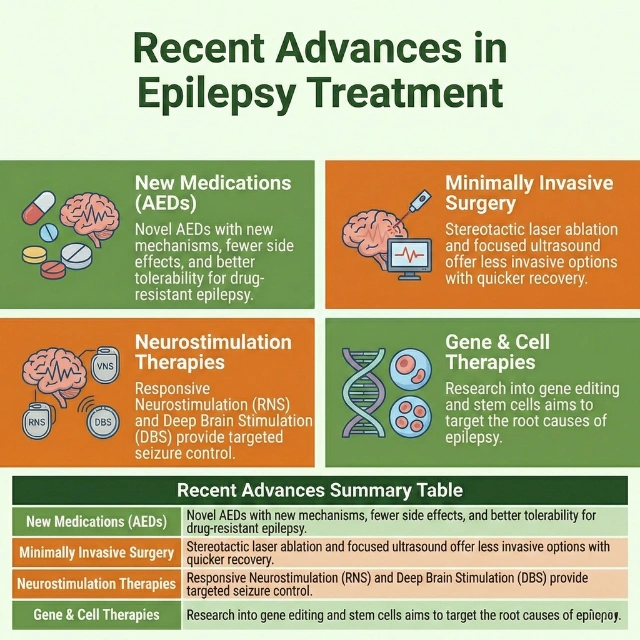
In addition to traditional treatments, recent advancements in epilepsy research have led to new therapies and promising potential for children with epilepsy. These developments are aimed at improving seizure control, reducing side effects, and addressing the underlying causes of the condition.
Gene therapy is an emerging field in epilepsy treatment, focusing on correcting genetic mutations that may cause seizures. By modifying genes, scientists hope to address the root cause of epilepsy in genetically predisposed children, potentially offering long-term relief and even a cure. Early research is promising, but gene therapy for epilepsy is still in the experimental stages and requires further study before it becomes widely available.
Stem cell therapy holds promise for regenerating damaged brain cells and potentially reversing the effects of seizures. Stem cells can be used to replace or repair damaged neurons in the brain, offering a potential avenue for treating children whose seizures are caused by brain injury or congenital conditions. This treatment is still under investigation, but clinical trials are underway to explore its efficacy and safety in children with epilepsy.
Cannabidiol, a compound derived from cannabis, has gained attention as a treatment option for drug-resistant epilepsy, particularly in children with conditions like Dravet syndrome and Lennox-Gastaut syndrome.
In 2018, the U.S. Food and Drug Administration (FDA) approved Epidiolex, a CBD-based drug, for the treatment of these conditions in children.
Clinical studies have shown that CBD can significantly reduce seizure frequency in some children, though it is not effective for everyone.
Advances in genetic testing and precision medicine are enabling healthcare providers to develop personalized treatment plans for children with epilepsy.
By analyzing a child’s genetic makeup, doctors can tailor their treatment to the individual’s specific needs, improving the chances of successful seizure control.
Personalized approaches are also helping to identify which medications are most likely to be effective for a given child, reducing trial-and-error.
New forms of brain stimulation are being developed to offer non-invasive treatments for epilepsy.
Techniques like transcranial magnetic stimulation (TMS) use magnetic fields to stimulate specific areas of the brain, potentially reducing seizure frequency and improving cognitive function.
These non-invasive options are being explored in clinical trials as an alternative or adjunct to other treatment methods.
To better understand where each treatment stands, the following table summarizes the success rates and retention trends observed in leading international pediatric neurology centers.
| Treatment Type | Primary Goal | Estimated Success Rate (Seizure Freedom) | Key Consideration |
| First ASM (Medication) | Seizure Suppression | 47% - 50% | Standard first-line approach |
| Second/Third ASM | Seizure Suppression | 10% - 15% | High risk of drug resistance |
| Epilepsy Surgery | Removing Seizure Focus | 50% - 90% | Highly invasive; site-dependent |
| Ketogenic Diet | Metabolic Shift | 30% - 50% | Requires strict long-term compliance |
| Stem Cell Therapy | Neural Repair | Early Trials: Significant reduction | Focuses on long-term brain repair |
| AI-Powered Monitoring | Early Detection | 99% Accuracy (Detection) | Improves safety, but not a cure |
The reason "stem cell therapy" is such a frequent topic of discussion among pediatric neurologists today is its potential to address the root cause of epilepsy rather than just the symptoms.
For a child with a brain malformation or post-traumatic epilepsy, the damage to neural circuits is physical.
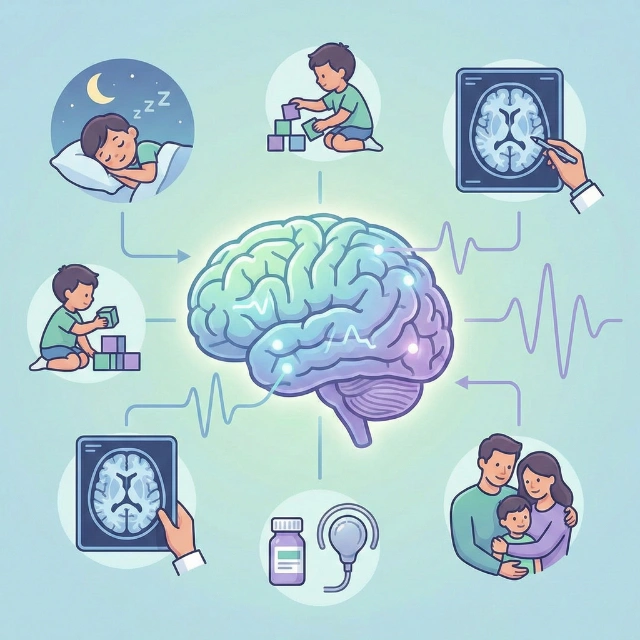
Traditional drugs cannot "regrow" an inhibitory circuit, but stem cell therapy holds the caliber to do exactly that.
Families searching for the latest research often look for "neuroregeneration" and "cell-based interventions."
The current consensus is that stem cell therapy represents a move toward personalized, biological healing.
While still evolving within various regulatory frameworks, the volume of successful early-phase clinical trials has made it a central pillar of future epilepsy care.
While medical treatments are essential for managing epilepsy, there are several ways parents can provide support to their child with epilepsy:
It is vital for parents to understand that while stem cell therapy and AI monitoring are revolutionary, they are part of a holistic care plan.
The integration of psychological support, specialized education, and these high-tech medical interventions is what truly allows a child to thrive.
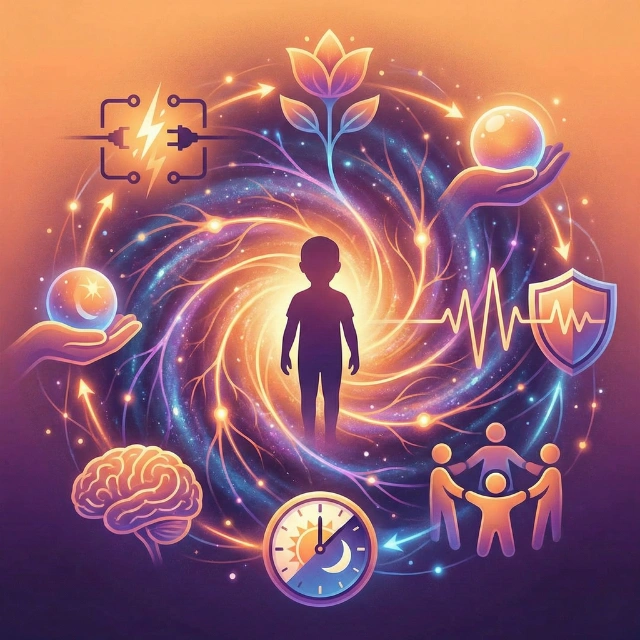
The medical community's focus remains on:
The journey of living with epilepsy is challenging, but the medical landscape has never been more promising.
From the precision of genetic testing to the restorative power of stem cell therapy, the tools available to pediatric specialists are evolving at an unprecedented rate.
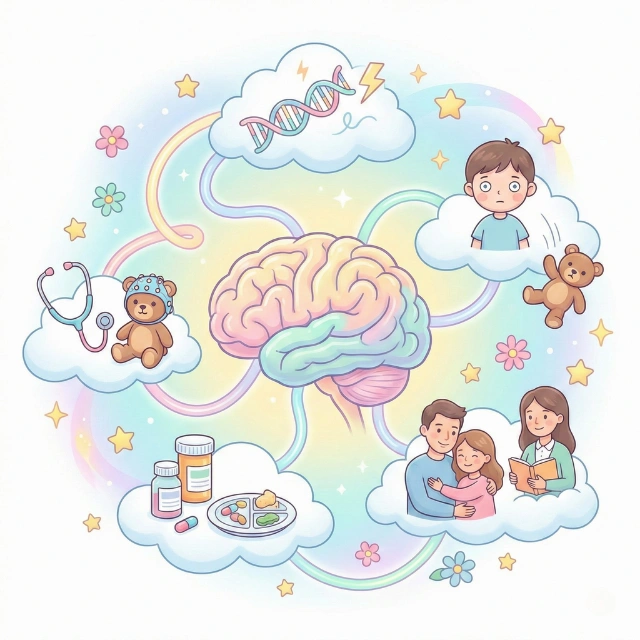
For parents, staying informed about these "recent developments" is the first step in advocating for the most advanced care possible.
If your child is currently facing drug-resistant seizures, exploring the latest clinical trials and discussing the potential of stem cell therapy with a specialized neurologist may open doors that were previously closed.


.jpg)