



BLOG
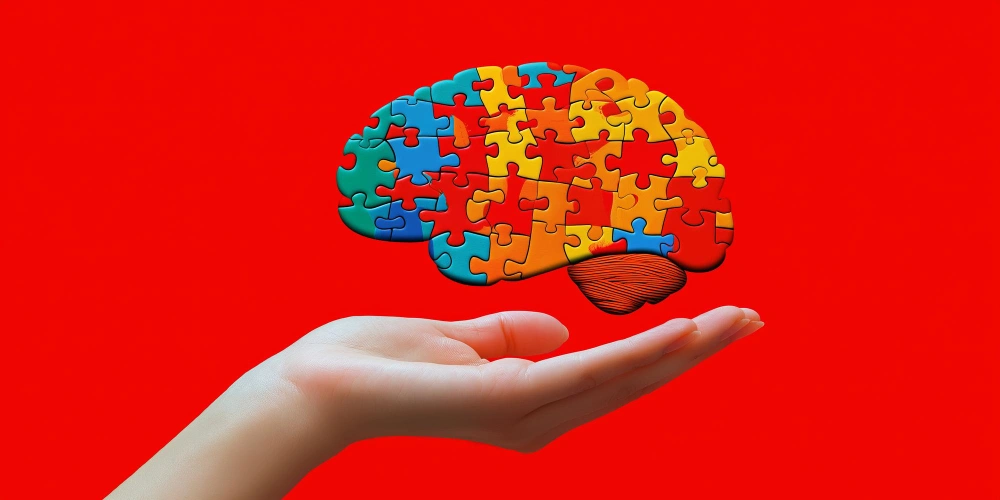
Understanding how an autistic brain works is a journey into a world of hyper-connectivity, unique neural architectures, and a "different" way of processing reality.
For families navigating this path, the science of the brain is not just a curiosity; it is the foundation for exploring modern interventions like stem cell therapy.
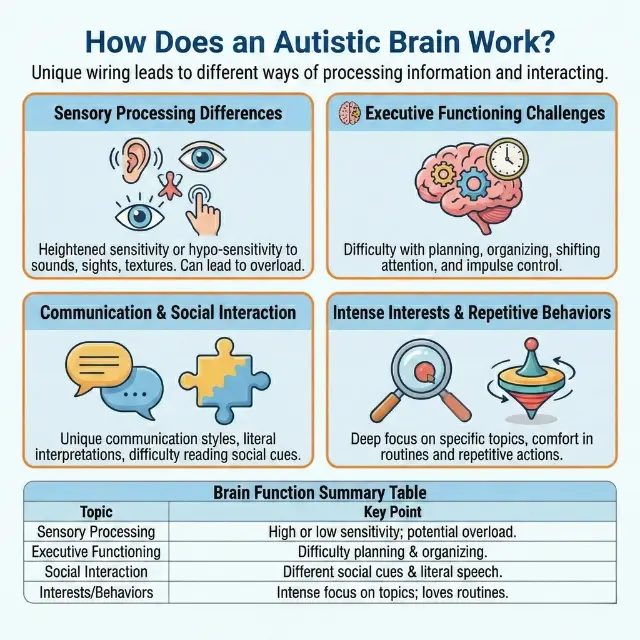
The autistic brain is often compared to a super-powered computer with a slightly different operating system.
While the hardware—the neurons—is fundamentally the same as any other brain, the way these neurons connect and communicate creates a distinct cognitive landscape.
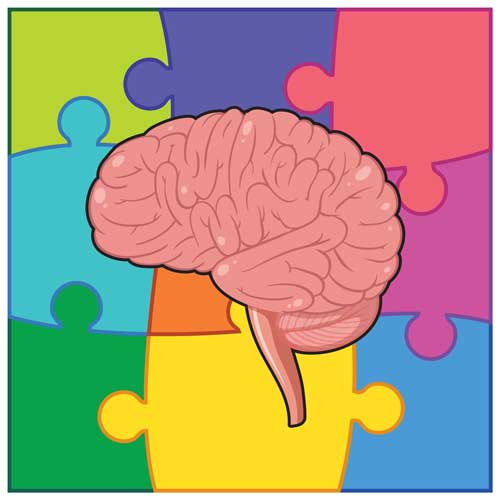
One of the most significant differences discovered by neuroscientists involves a process called "synaptic pruning." In a neurotypical brain, childhood and adolescence are periods of intense "gardening."
The brain creates an overabundance of connections (synapses) in early infancy and then trims them back—pruning the ones that aren't used to make room for faster, more efficient pathways.
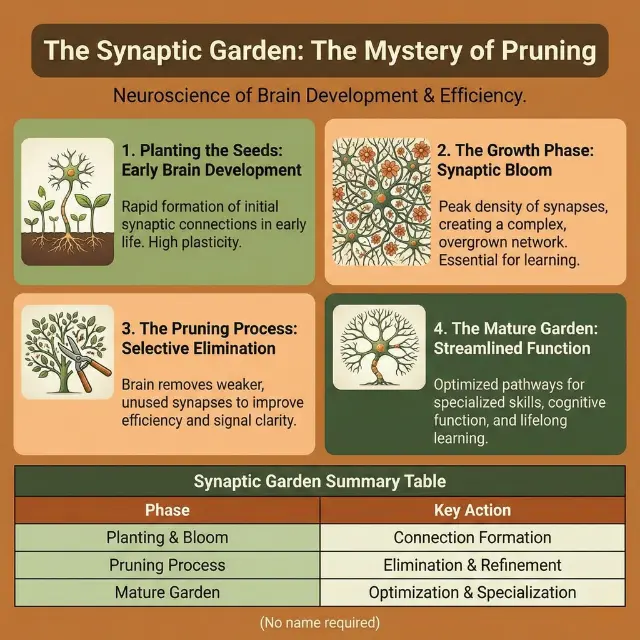
In the autistic brain, research suggests this "gardener" is less active.
This leads to a surplus of synapses, particularly in the cortex, which is responsible for social behavior and communication. Imagine a garden where the plants are growing so densely that they begin to tangle.
This "neural glut" is thought to be a primary reason for the sensory sensitivities and intense focus common in autism.
The biological reason behind this reduced pruning often points to a protein called mTOR. When mTOR is overactive, it inhibits "autophagy"—the brain’s natural self-cleaning system.
This is where the potential of stem cell therapy becomes a focal point of discussion.
By targeting the cellular environment, researchers are investigating whether stem cell therapy can influence these underlying pathways to support better neural regulation.
.webp)
The way the autistic brain is "wired" leads to a phenomenon known as "local hyper-connectivity and global hypo-connectivity."
In specific areas of the brain—like those dedicated to pattern recognition or visual detail—there are an incredible number of short-range connections.
This is why many autistic individuals have an uncanny ability to spot tiny details or memorize complex sequences.
Conversely, the long-distance connections that link different parts of the brain (like the emotional center and the logic center) tend to be fewer or less robust.
This makes "integrating" information—such as reading a person's facial expression while listening to their tone of voice—much more challenging.
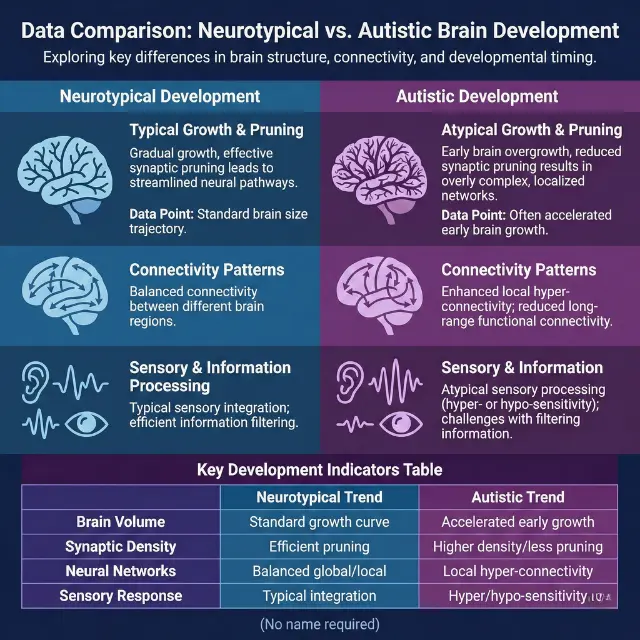
To better understand the scale of these differences, consider the following data based on recent longitudinal studies from leading global medical centers.
| Feature | Neurotypical Development | Autistic Development |
| Infant Synapse Count | ~15,000 per neuron | ~15,000 per neuron |
| Pruning by Late Adolescence | ~50% reduction | ~16% reduction |
| Late Adolescent Synapse Surplus | Baseline | ~41% more synapses |
| Local Connectivity | Balanced | High (Hyper-connectivity) |
| Global Connectivity | High (Efficient integration) | Lower (Processing delays) |
| mTOR Protein Activity | Regulated | Frequently Overactive |
These numerical values highlight why the brain can feel "crowded" for an autistic person. When there are too many signals firing at once without enough "filters," sensory overload becomes an almost daily reality.
This is exactly why families are looking toward stem cell therapy as a biological support system that might help refine this internal environment.
As our understanding of the cellular causes of autism grows, the conversation naturally shifts toward how we can support the brain's health at a molecular level.
Stem cell therapy has emerged as a promising frontier in this regard.
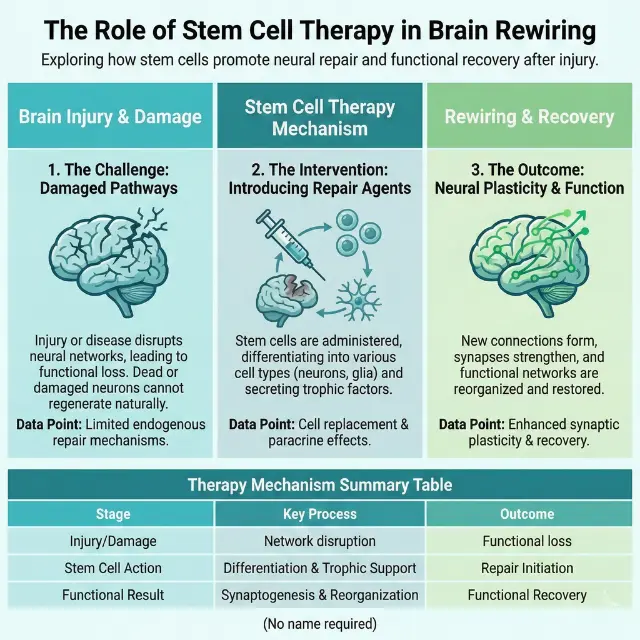
While not a "cure," stem cell therapy is being studied for its ability to modulate the immune system and reduce neuro-inflammation.
Since the autistic brain often shows signs of chronic low-level inflammation—which can further disrupt neural signaling—the anti-inflammatory properties of stem cell therapy are of great interest to researchers.
The goal of utilizing stem cell therapy is often to improve the "signal-to-noise" ratio in the brain.
By introducing mesenchymal stem cells, clinicians aim to:
Because stem cell therapy can cross the blood-brain barrier or influence the brain through systemic signaling, it offers a multi-faceted approach that traditional behavioral therapies cannot reach on their own.
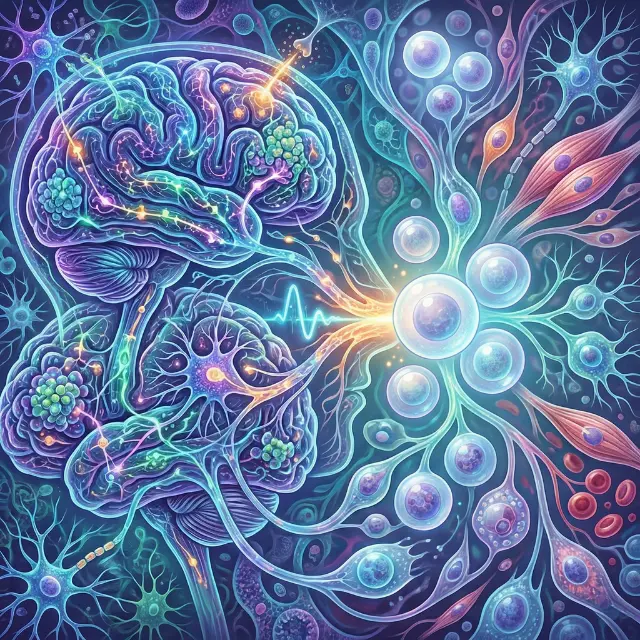
It is vital to recognize that the "autistic brain" is not just a collection of deficits; it is a collection of unique strengths. The same dense wiring that causes sensory issues also leads to:
When we talk about stem cell therapy, the aim is often to reduce the burdens of autism—like anxiety, sleep issues, or non-verbal barriers—without erasing the beautiful, unique architecture of the person’s mind.
Around the world, clinical trials are increasingly focused on the safety and efficacy of stem cell therapy.
In many advanced medical hubs, the transition from "experimental" to "translational" medicine is happening quickly.
| Parameter | Observed Influence of Stem Cell Therapy |
| Social Communication | Significant improvements in eye contact and engagement. |
| Repetitive Behaviors | Reduction in frequency and intensity of "stimming." |
| Sensory Integration | Better tolerance for loud noises or bright lights. |
| Cognitive Flexibility | Improved ability to transition between tasks. |
Many parents report that after undergoing stem cell therapy, their child seems "more present."
This isn't because the brain has been "fixed," but because the biological "noise" has been turned down, allowing the person’s true personality and abilities to shine through.
The autistic brain is a testament to human neurodiversity. While the surplus of connections and the reduced pruning process present real challenges, they also offer incredible gifts.
By combining the best behavioral supports with cutting-edge biological interventions like stem cell therapy, we are entering an era where autism is managed with both empathy and advanced science.
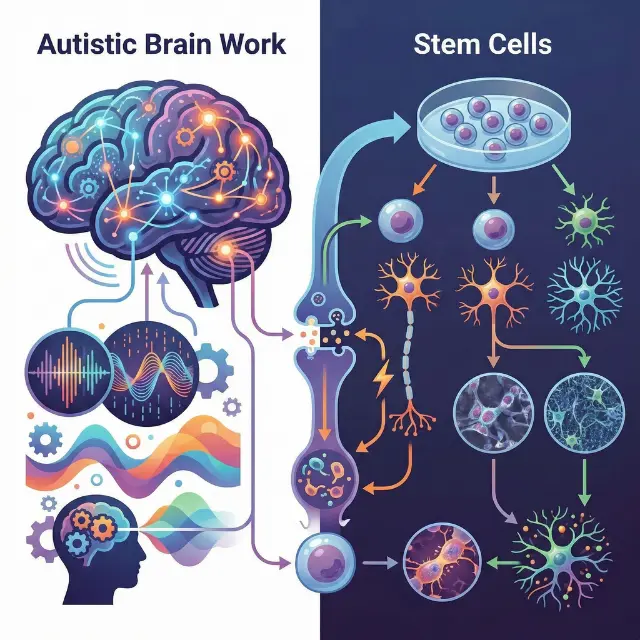
The future of autism support is not about changing who a person is, but about improving their quality of life.
Whether through traditional education or the emerging possibilities of stem cell therapy, the goal remains the same: helping every individual navigate the world with a brain that feels balanced, capable, and understood.