



BLOG
For many living with epilepsy, daily life is a balancing act of medication schedules and the constant shadow of unpredictable seizures.
While traditional anti-epileptic drugs (AEDs) work for the majority, approximately one-third of patients suffer from "refractory epilepsy"—a condition where medication fails to provide adequate control.
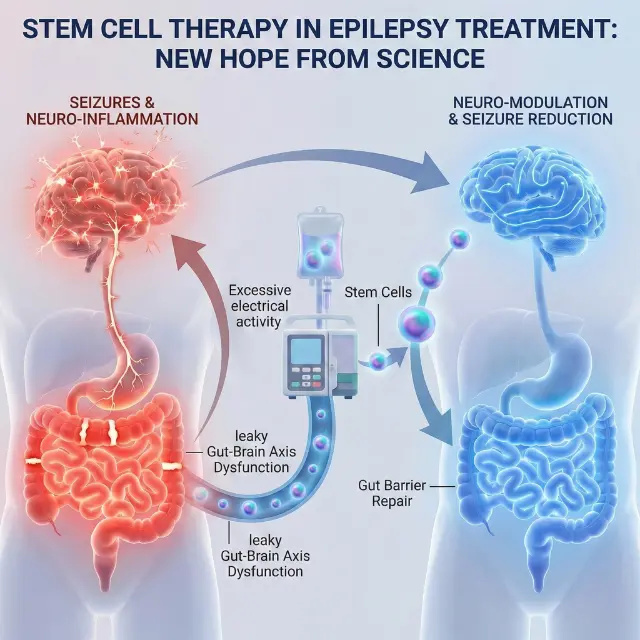
This is where stem cell therapy enters the frame, not just as a medical alternative, but as a potential biological reset for the brain.
In this guide, we explore how stem cell therapy is moving from the laboratory to the clinic, offering a sophisticated approach to neurological repair.
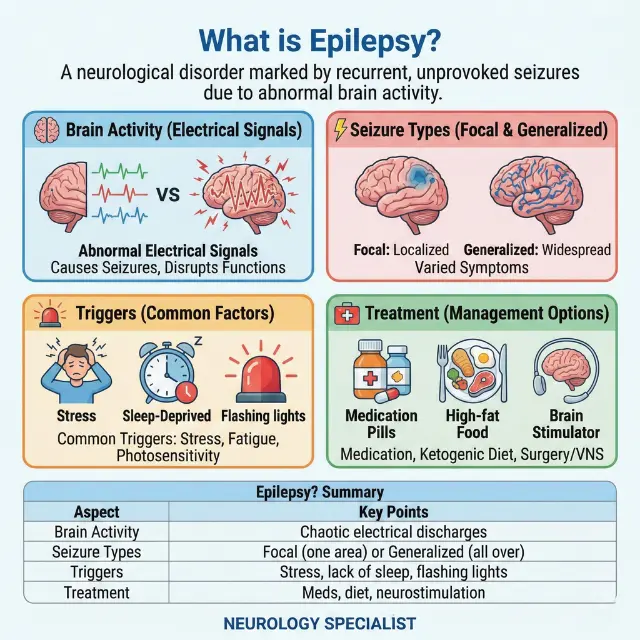
Epilepsy is a neurological disorder caused by abnormal electrical activity in the brain, which can manifest as temporary loss of consciousness, muscle contractions, or emotional changes.
It can vary greatly in its course from person to person. For some, seizures may be infrequent and mild, while for others, they may be frequent and severe.
However, these methods may not always provide a permanent solution. This is where stem cell therapy stands out, offering the potential to regenerate damaged nerve tissue in the brain.
Stem cells are specialized cells that have the ability to transform into different cell types in the body.
Stem cell therapy for epilepsy typically involves the use of autologous (from the patient's own tissue) stem cells. In this process, stem cells taken from the patient’s bone marrow or adipose tissue are prepared in a laboratory and applied to support brain functions.
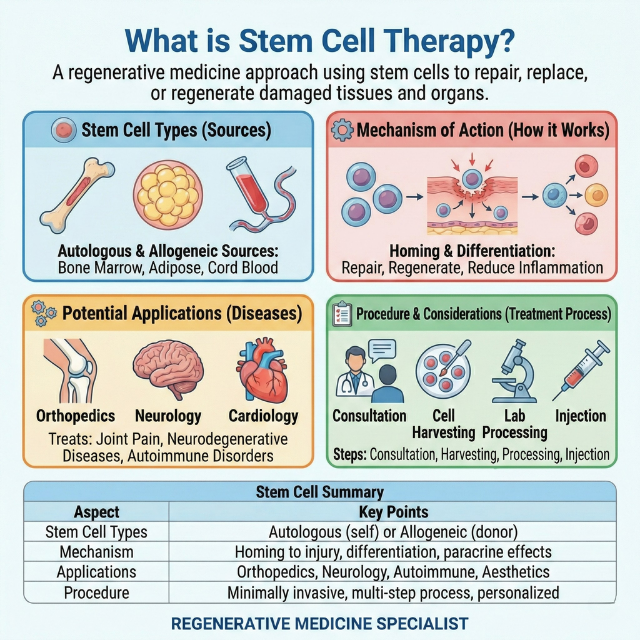
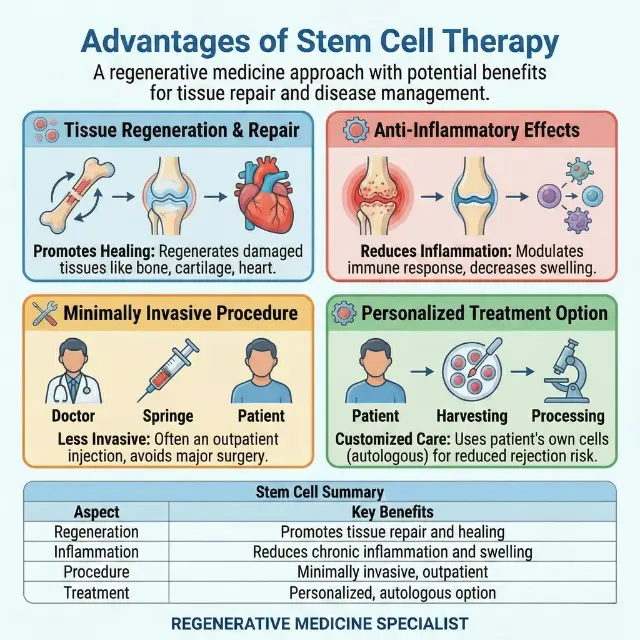
Research has shown that stem cells can provide therapeutic effects on epilepsy in multiple ways:
Recent preclinical and clinical studies support the positive effects of stem cell therapy on epilepsy.
In a study conducted in 2020, autologous mesenchymal stem cell application showed a significant reduction in seizure frequency and improvement in cognitive function.
Animal studies demonstrated that stem cells support the formation of new neurons in the hippocampus region and help stabilize electrical activity.
Some early-phase clinical trials, particularly in drug-resistant epilepsy cases, have shown promising results.
Of course, this treatment is still in the developmental phase, and more clinical studies evaluating long-term results are needed.
However, current data suggests that stem cells could play an important role in the future of epilepsy treatment.
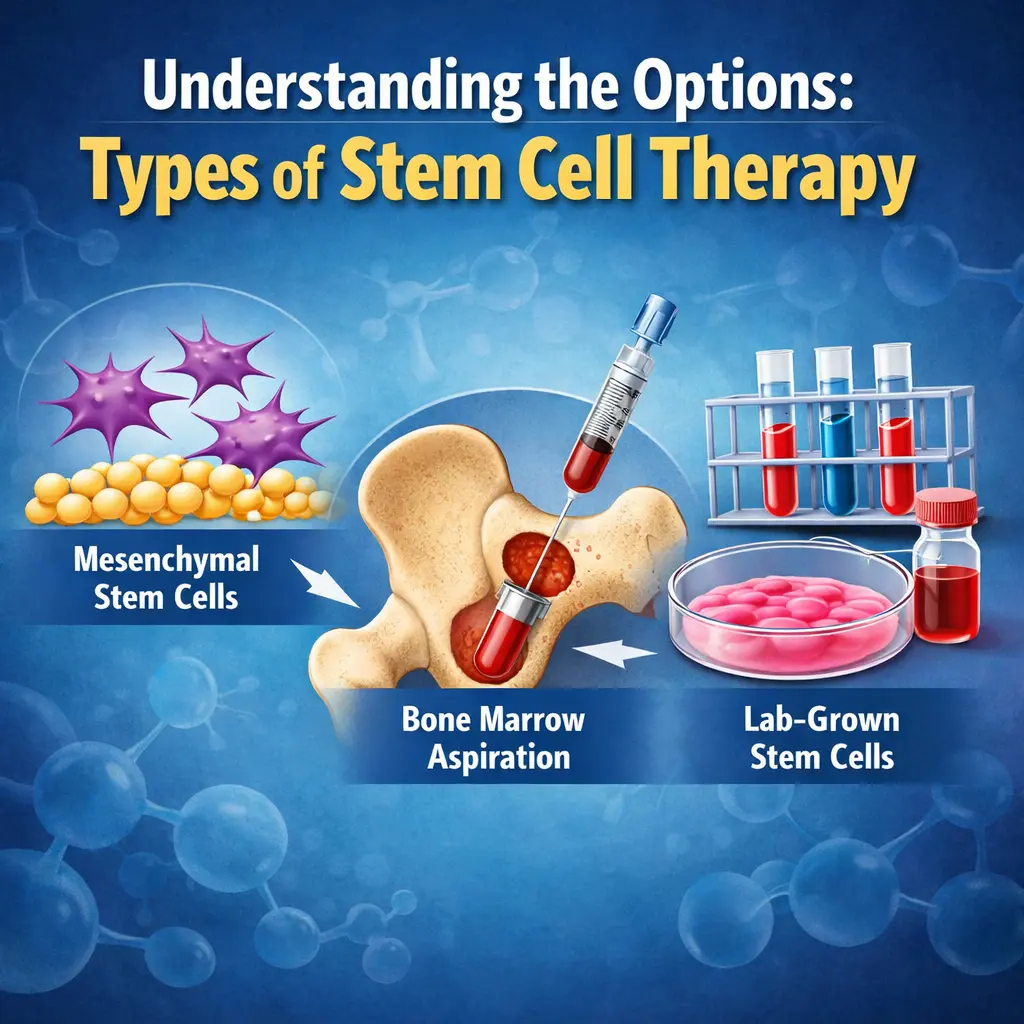
Different patients require different approaches.
Research conducted in leading neurological centers has highlighted several promising cell types currently being utilized in clinical settings.
| Type of Cell | Primary Source | Function in Epilepsy | Potential Benefit |
| Mesenchymal Stem Cells (MSCs) | Bone Marrow / Cord Blood | Powerful anti-inflammatory and immune modulation. | Reduces seizure frequency and promotes healing. |
| Neural Stem Cells (NSCs) | Specialized Tissue | Differentiation into new, functioning neurons. | Direct repair of damaged brain circuits. |
| Induced Pluripotent Cells (iPSCs) | Patient’s own skin/blood | Lab-grown "custom" neurons for transplantation. | Zero risk of rejection; highly personalised approach. |
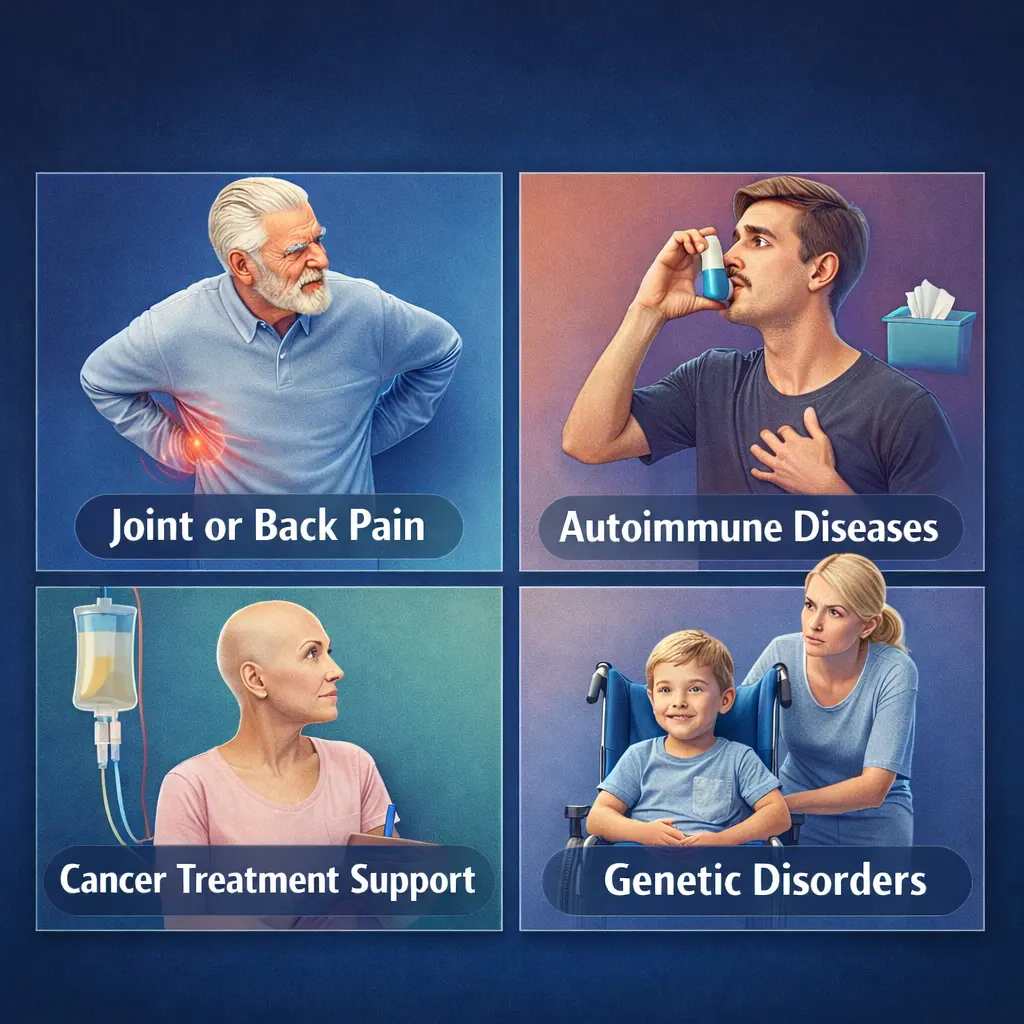
Stem cell therapy may be considered, especially for the following patient groups:
Since each patient's condition is different, the treatment decision should be made after a thorough evaluation by neurologists and stem cell specialists.
At Rumi Pulse, autologous (patient’s own cells) stem cells are used for epilepsy treatment. The therapies are prepared in sterile laboratory conditions and administered by an experienced medical team.
The process includes:
This method aims to naturally support brain functions by activating the body's regenerative capacity.
Stem cell therapy in epilepsy treatment is one of the most innovative approaches offered by modern medicine. Although not all questions have definitive answers yet, current scientific evidence shows that this method offers a hopeful future for individuals living with epilepsy.
In cases where traditional treatments do not provide a solution, stem cell therapy could be a significant alternative to enhance both quality of life and seizure control.